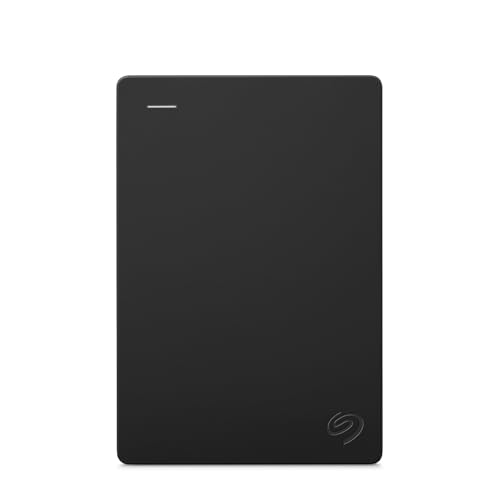
What to Use an External Hard Drive For?
 By Theo LangUpdated
You use an external hard drive to store files outside your computer: backups of photos, videos and documents, large files you move between computers, and game data or video you want to keep off the internal drive. Plug the drive into a USB port and copy files to it, and the files stay on the drive when you unplug it.
Back up your files
Copy the files that matter to the drive: photos, videos, documents and work files. A backup on a drive that sits apart from your computer gives you a second copy when the computer fails or a file is deleted by mistake. Plug the drive in, copy the folders across, and unplug the drive and put it somewhere you can find it. Check the copy opens before you delete anything from the computer.
Carry files between computers
A portable drive moves large files from one computer to another without a network or a cloud upload. Plug it into the first computer, copy the files across, then plug it into the second computer and copy them off. The files travel with the drive, and the drive fits in a pocket or a bag. Eject the drive before you unplug it so the copy finishes.
Hold photos, video and games
Photos and video fill a computer fast, so a drive holds the files you want to keep and still reach. Move finished photo sets and video clips to the drive and leave the current work on the computer. Game data also sits on a drive, which frees the computer for the games you play now. Keep the drive plugged in while you open files from it, and eject it before you unplug it.
Free up space on your computer
When the computer warns that its storage is full, move files you rarely open to the drive. Start with large video files and old photo sets, since a single video file can be far larger than a document. Copy them to the drive first, open a few to check they copied, and only then delete the originals from the computer. Leave the apps and the files you open each day where they are.
What you need

Samsung T7 Portable SSD
A 2TB portable SSD with USB 3.2 Gen 2 and read speeds up to 1,050 MB/s, in a solid aluminum unibody with fall protection up to 6 feet.
View on Amazon
SanDisk 500GB Extreme Portable SSD
A 500GB portable SSD with USB-C and transfer speeds up to 2000 MB/s, with IP65 water and dust protection and 256-bit AES encryption.
View on Amazon
WD 1TB Elements SE
A 1TB portable SSD with USB 3.0 and read speeds up to 400 MB/s, in a compact design with drop resistance up to 2 meters.
View on Amazon
Lexar ES3 512GB Portable SSD Silver
A 512GB portable SSD with USB 3.2 Gen 2 and read speeds up to 1050 MB/s, with Lexar DataShield 256-bit AES encryption software.
View on AmazonThese come from our ranked list Best Portable SSD Hard Drive, which compares them spec by spec.
FAQ
Can I use an external drive as a backup?
Yes. Copy your photos, videos and documents to the drive and keep the drive apart from the computer. Check that the copies open, and copy new files to the drive when you add them to the computer.
Do I need software to use an external drive?
No. Plug the drive into a USB port and it appears as a drive on your computer, ready for you to copy files to it. Some drives include their own software, and you can use it or leave it off.
How do I pick a drive capacity?
Match the capacity to what you store. Photos and documents take less room than video clips and game data, so a drive that holds your files with room to spare suits you longer.