
How to Install a PC Water Cooling System
 By Theo LangUpdated
To install a PC water cooling system, mount the radiator in the case, fit the pump on the CPU, connect the fans and pump to the motherboard, and check that the pump runs and nothing leaks. A sealed all-in-one cooler arrives filled, so there is no filling step, while a custom loop needs filling and a leak check before the first boot.
Check the case and socket fit
Measure the radiator mount in your case against the cooler size, and check the case manual for which mounts it has. Check that the cooler lists your CPU socket before you buy it. A cooler made for a different socket will not mount on your board, so match the socket first and the radiator size second.
Shut down and open the case
Shut the PC down, unplug it from the wall and follow the maker's manual for opening the case. If a cooler is already fitted, remove it and wipe the old thermal paste off the CPU with a lint-free cloth. Keep the screws and brackets from the old cooler in case you need them later.
Mount the radiator and fans
Fit the radiator to the mount in the case and fasten it with the screws that come with the cooler. Mount the fans so they push air through the radiator, with the cables facing the side where they reach the motherboard headers. Check that the radiator and fans clear the memory sticks and the motherboard parts around the mount.
Fit the pump on the CPU
Spread a small amount of thermal paste on the center of the CPU, then seat the pump flat on top of it. Tighten the mounting screws a little at a time in turn, so the pump sits level and the pressure stays even. Plug the pump cable into the pump header or the header the manual names.
Connect power and check for leaks
Connect the fan cables and the pump cable to the motherboard headers the manual names, then route the cables clear of the fans. Switch the PC on and check that the pump and fans spin. For a custom loop, fill the loop first and watch the fittings for drips before the first boot. A sealed all-in-one cooler needs no filling, so check the fittings and the hoses for damp spots instead.
What you need

ARCTIC Liquid Freezer III Pro 360 A-RGB
An all-in-one cooler with a contact frame for LGA1851 and LGA1700, an integrated VRM fan, integrated cable management and a 6 year warranty.
View on Amazon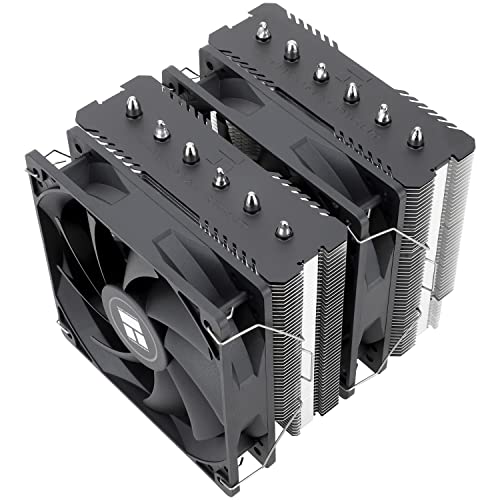
Thermalright Peerless Assassin 120 SE CPU Cooler
A dual-tower air cooler with 6 heat pipes and two 120 mm PWM fans, listed for AM4, AM5 and Intel LGA 1700, 1150, 1151, 1200 and 1851.
View on Amazon
ARCTIC Liquid Freezer III Pro 360
An all-in-one cooler with 3 fans, a contact frame for LGA1851 and LGA1700, an integrated VRM fan and a 6 year warranty.
View on Amazon
LIAN LI HydroShift II Curved 360 TL Flex AIO Cooler-Black-HS2OLDC36TB
An all-in-one cooler with 3 fans, a 6.67 inch 2K 60 Hz OLED display, a 400 by 122 by 24 mm radiator and a motorized pump head.
View on AmazonThese come from our ranked list Best Cooler for PC, which compares them spec by spec.
FAQ
Do I need to fill an all-in-one cooler?
No. A sealed all-in-one cooler arrives filled, so you mount it, connect the cables and check that the pump runs. Only a custom loop needs filling and a leak check.
How do I know the cooler fits my CPU?
Check that the cooler lists your CPU socket, and check the radiator size against the mounts in your case manual. If the socket or the mount does not match, the cooler will not fit.
What should I check after the first boot?
Check that the pump and fans spin, and listen for odd noises from the pump. Watch the fittings and hoses for damp spots, and check the CPU temperature reading in the BIOS or the maker's software.


