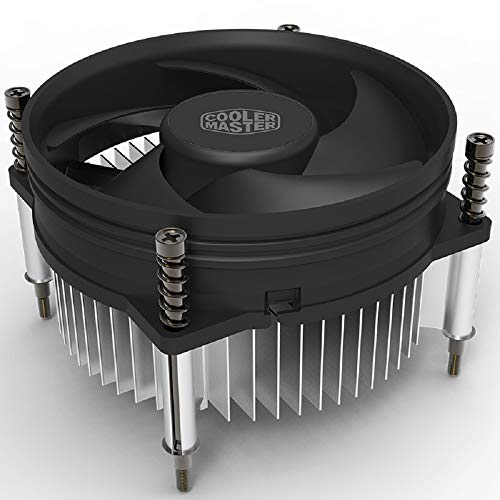
How to Install a CPU Radiator
 By Theo LangUpdated
To install a CPU radiator, shut the PC down, unplug it, and follow the maker's manual. Mount the radiator to the case first, then fit the cold plate to the CPU with the bracket for your socket, and connect the fan and pump cables to the motherboard. Check that the radiator and fans clear the case and the memory before you close the case.
Check the case and socket fit
Start by checking that your case has a mount for the radiator and that the cooler lists your CPU socket. Check that the radiator and the fans clear the memory and the case panels, and that the hoses reach the CPU without stretching. If the radiator does not fit the mount, do not force it; pick a smaller radiator or a different mount point.
Mount the radiator to the case
Fit the radiator to the case mount with the fans attached, and fix it with the screws that came with the cooler. Keep the hoses clear of the fan blades and the case edges, and leave enough slack for the hoses to reach the CPU. Tighten the screws evenly so the radiator sits flat against the mount and does not press on the fans.
Fit the cold plate to the CPU
Shut the PC down and unplug it before you open the case, and follow the maker's manual for your cooler. Remove the old cooler, clean the CPU surface, and fit the bracket for your socket to the board. Apply thermal paste as the manual directs, set the cold plate on the CPU, and tighten the mounting screws evenly.
Connect the fan and pump cables
Connect the radiator fan cables to the fan headers on the motherboard and the pump cable to the pump header, as the manual directs. The ARCTIC Liquid Freezer III Pro 360 routes the fan cables through the hose sheathing, so only a single visible cable reaches the motherboard. Check that no cable touches a fan blade, then close the case.
Power on and check the fans
Power the PC on and check that the radiator fans spin and the pump runs. Open the BIOS or your monitoring software and watch the CPU temperature reading while the PC idles. If a fan does not spin, or the temperature climbs fast, shut the PC down, unplug it, and check the cable connections and the cold plate mounting. The LIAN LI HydroShift II OLED Curved 360 TL Flex AIO fans run at 0 to 2600 RPM, so a fan that does not spin points to a cable or mounting problem.
What you need

ARCTIC Liquid Freezer III Pro 360 A-RGB
A 360 mm AIO with a contact frame for LGA1851 and LGA1700, an integrated VRM fan, offset mounting and a single visible cable to the motherboard.
View on Amazon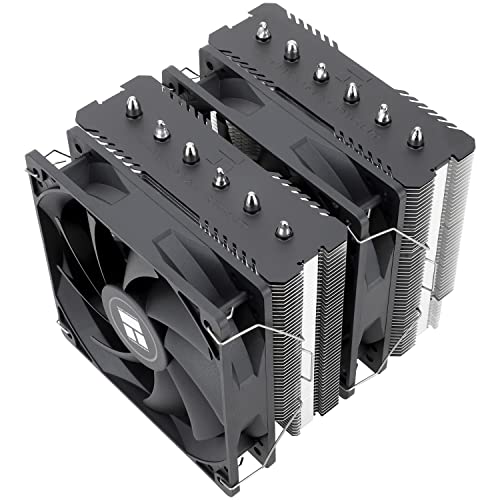
Thermalright Peerless Assassin 120 SE CPU Cooler
An air cooler with 6 heat pipes and dual 120 mm PWM fans, with mounting hardware for Intel and AMD sockets.
View on Amazon
ARCTIC Liquid Freezer III Pro 360
A 360 mm AIO with 3 120 mm fans, a contact frame for LGA1851 and LGA1700, an integrated VRM fan and offset mounting.
View on Amazon
LIAN LI HydroShift II Curved 360 TL Flex AIO Cooler-Black-HS2OLDC36TB
A 360 mm AIO with a 400 x 122 x 24 mm radiator, 3 120 mm fans up to 2600 RPM and a motorized 6.67-inch OLED pump head.
View on AmazonThese come from our ranked list Best Cooler for PC, which compares them spec by spec.
FAQ
Do I need to remove the motherboard to install a radiator?
It depends on the cooler and the case. Some brackets fit from the front of the board, while others need a backplate fitted behind the board, so read the manual for your cooler and check whether your case gives access to the back of the motherboard.
Which way should the radiator fans face?
Fans move air through the radiator, so fit them so air flows the way your case cooling is set up. Check the arrows on the fan frame and the manual for your cooler before you fix the fans in place.
Does an AIO cooler need refilling?
An AIO is a sealed unit, so you do not fill it yourself. If it loses cooling performance or makes new noise, shut the PC down and contact the maker.