
What Is a VR Ready Laptop?
 By Theo LangUpdated
A VR ready laptop is a laptop whose graphics card meets the requirements published for virtual reality headsets. The graphics card renders a separate high-resolution view for each eye, so VR leans on the GPU more than on any other part.
What VR Ready means
A VR Ready laptop has a graphics card that supports virtual reality headsets. The headset shows a separate view to each eye at high resolution, so the graphics card does most of the work. That graphics card comes with its own video memory, and the laptop has the ports to connect the headset. Check the requirements published for your headset before you buy, since headsets differ.
The graphics card does the heavy work
The GPU renders the virtual scene for each eye separately, and keeps the picture moving as you turn your head. A VR Ready laptop lists a dedicated GeForce RTX graphics card with its own video memory. Integrated graphics share memory with the processor, so they do not give the headset a dedicated GPU with its own video memory. Check the graphics description for the RTX model and its video memory, not just the RTX name.
The display and refresh rate
The laptop display matters because VR headsets show fast motion, and the refresh rate sets how often the picture updates. VR Ready laptops in this article list 120Hz, 165Hz or 240Hz displays, with OLED on some models. A higher refresh rate is one part of the picture; the headset sets its own display needs. Check the refresh rate in the display description, and match it to the requirements published for your headset.
Ports, memory and storage
A VR headset connects through the laptop ports, so check which ports the laptop has and what each one carries. The ASUS ROG Zephyrus G14 lists HDMI, USB 3.2 Type-C and Wi-Fi 7, and a microSD card reader. Memory and storage hold the headset software and games, so check the memory and storage figures against the requirements published for your software. A port name alone does not prove video output, so check the port notes in the manual.
What you need
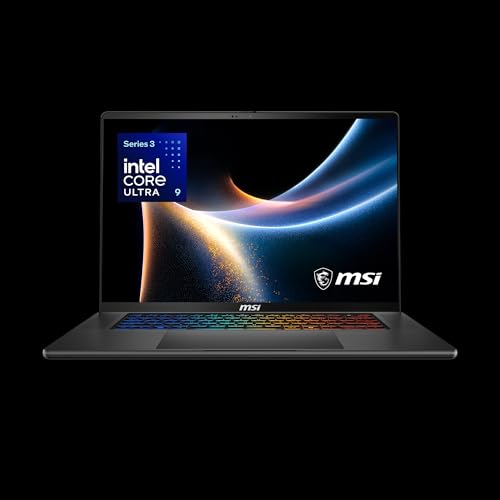
MSI Stealth 16 16-inch Gaming Laptop
A 16-inch 240Hz QHD+ OLED laptop with an Intel Core Ultra 9 386H, an RTX 5070 Ti with 16GB GDDR7, 32GB DDR5 and VR-Ready support.
View on Amazon
ASUS ROG Zephyrus G14 5080 Gaming Laptop
A 14-inch 120Hz OLED laptop with a Ryzen AI 9 HX 370, an RTX 5080 with 16GB GDDR7, 32GB of memory, 2TB of storage and VR Ready support.
View on Amazon
ASUS ROG Strix G16 Gaming Laptop
A 16-inch 165Hz laptop with a Ryzen 9 9955HX, an RTX 5060 with 8GB GDDR7, 64GB DDR5, 2TB of storage and VR readiness.
View on Amazon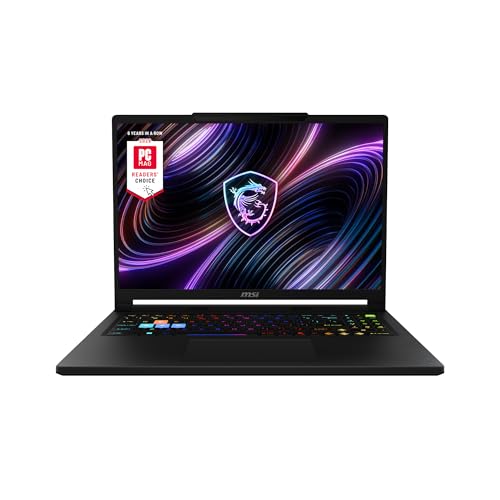
MSI Raider A16 HX 16-inch Gaming Laptop
A 16-inch 240Hz QHD+ laptop with a Ryzen 9-8940HX, an RTX 5080 with 16GB GDDR7, 32GB DDR5, 2TB of storage and VR-Ready support.
View on AmazonThese come from our ranked list Best Gaming Laptop VR Ready, which compares them spec by spec.
FAQ
Can any gaming laptop run VR?
No. A laptop needs a graphics card that supports VR headsets, with its own video memory and the ports to connect the headset. Check the requirements published for your headset before you buy.
Does a VR Ready laptop need a special port?
It needs a port that carries the headset signal, which varies by headset. Check the port notes for your laptop and the requirements published for your headset, since a port name alone does not prove video output.
Is 32GB of memory enough for VR?
Memory is one part of the picture, and the right amount depends on the headset and software. The laptops here list 32GB or 64GB of memory, so check the requirements published for your headset and software before you choose.


