
What Are Studio Monitor Headphones?
 By Theo LangUpdated
Studio monitor headphones are headphones built for listening to audio as it was recorded, with as little added color as possible. Unlike headphones tuned for bass-heavy music or games, they aim for a flat, even response across lows, mids and highs, so a mix that sounds right on them translates to other speakers. They are used for recording, mixing and editing, where hearing detail matters more than excitement.
Flat response means uncolored sound
A flat response means the headphones do not boost the bass or lift the treble. What you hear is close to what went into the recording, including flaws such as a muddy low end or a harsh vocal. That honesty is the point: when you fix a problem you can hear on monitor headphones, the fix holds up on car speakers, earbuds and a living room system. Headphones made for everyday listening often add bass or sparkle, which can hide problems in a mix.
Closed back keeps sound in and out
Closed earcups seal around the ear and keep sound from passing in or out. The seal keeps outside noise from reaching your ears while you mix, and it keeps the sound from the headphones from leaking into a microphone while you record. That matters when a singer or voice actor records in the same room as the microphone. Open-back headphones leak sound both ways, so they suit mixing when no microphone is live, while closed earcups, with cushions that give a closer seal for more sound isolation, suit recording with a live mic.
How they differ from gaming headsets
Gaming headsets are tuned for play: they boost the low end for impact, add surround processing for direction, and include a microphone for voice chat. Studio monitor headphones skip the microphone and the surround processing and aim for an even response instead. That is why a headset can sound exciting in a game and still mislead you in a mix. If you edit audio, listen on headphones built for accuracy; if you play games, a headset with a mic and surround sound fits the job.
What to check before you buy
Start with the fit: closed earcups should seal around your ears without pressing hard, since long sessions punish a tight clamp. Check the connection: a 3.5mm jack plugs into laptops and audio interfaces with a 3.5mm port, while USB headsets need a USB port and may need their own software for surround sound. Check the driver size and the weight in the specs, and compare them across the models you shortlist. Comfort and an even response matter more than extra features for editing work.
What you need

Razer BlackShark V2 X Gaming Headset
A closed-back gaming headset with 50 mm drivers, 7.1 surround sound and a cardioid mic, built for play rather than the flat response studio monitoring needs.
View on Amazon
Razer BlackShark V2 X Gaming Headset for PC
A white closed-back gaming headset with 50 mm drivers, 7.1 surround sound and a bendable cardioid mic, tuned for games rather than flat studio monitoring.
View on Amazon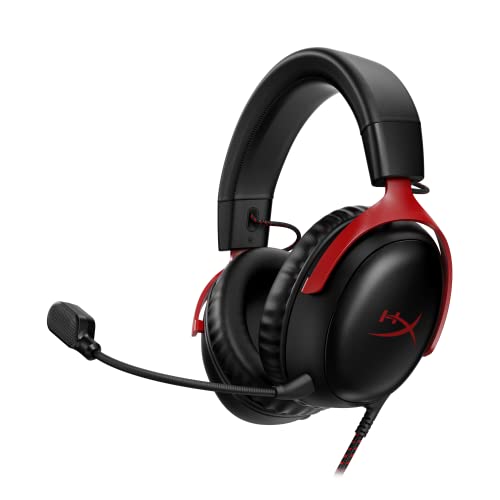
HyperX Cloud III Wired Gaming Headset for PC
A wired gaming headset with angled 53 mm drivers, memory foam cushions and a 10 mm mic, with USB-C, USB-A and 3.5mm connections, tuned for entertainment rather than flat monitoring.
View on Amazon
BENGOO G9000 Stereo Gaming Headset for PS4 PC Xbox One PS5 Controller
A stereo gaming headset with 40 mm drivers, 7.1 surround sound and a noise-isolating mic, with a USB cable and volume control, tuned for games rather than flat studio monitoring.
View on AmazonThese come from our ranked list Best PC Headset, which compares them spec by spec.
FAQ
Are studio monitor headphones good for listening to music?
Yes, if you like hearing music as recorded. They present detail without added bass, which suits careful listening, though some listeners prefer the fuller sound of headphones tuned for music.
Do studio monitor headphones need an amplifier?
Many run fine straight from a laptop or audio interface, since they are made to plug into the gear used for recording and mixing. Check the specs of the model you buy and the output of the device you plug it into.
Can I use a gaming headset for mixing audio?
You can, but the tuning works against you. Gaming headsets boost the low end and add surround processing, so a mix that sounds right on them may sound thin or boomy elsewhere. Headphones with an even response give a truer picture.


