
How Noise-Cancelling Headphones Work
 By Theo LangUpdated
Noise-cancelling headphones use small microphones to listen to the sound around you, then play back an opposite sound wave that cancels that noise before it reaches your ear. The microphones and the cancelling wave work together, so steady background noise from engines, fans and traffic drops away and your music or calls come through with less competing sound.
Microphones listen to the noise
Microphones on the outside of each earcup pick up the sound around you, and microphones inside check what reaches your ear. The headphones use both sets to track the noise in real time, so the cancelling wave matches the sound that is actually there. The soundcore Q20i uses two internal and two external microphones for this, and the TOZO HT3 uses four microphones.
The headphones play an opposite wave
The headphone chip flips the noise wave upside down and plays the flipped wave through the drivers. When the two waves meet, they cancel each other out, so less noise reaches your ear. This works best on steady, low sounds such as engines, fans and traffic, while sudden sharp sounds are harder to cancel because they change too fast.
The earcups cut sound too
Before the electronics start, the earcups and cushions cut some sound on their own by covering your ears. This physical barrier handles higher sounds better than the cancelling wave does. The two work together: the cups cut what they can, and the electronics cancel what gets through.
Transparency mode lets sound back in
The soundcore Q20i and the bmani headphones include a transparency mode that passes outside sound through the microphones, so you can hear announcements, traffic or a colleague without taking the headphones off. Use it when you need to stay aware of what is around you, then switch back to noise cancelling, with up to 45dB of noise reduction on the bmani headphones.
What you need

soundcore by Anker Q20i Hybrid Active Noise Cancelling Headphones
Over-ear Bluetooth headphones with hybrid active noise cancelling, 40 mm drivers, 40 hours of battery life with ANC on, and a transparency mode.
View on Amazon
Soundcore by Anker Q20i Hybrid Active Noise Cancelling Headphones
Taupe over-ear Bluetooth headphones with hybrid active noise cancelling, 40 mm drivers, 40 hours of battery life with ANC on, and a transparency mode.
View on Amazon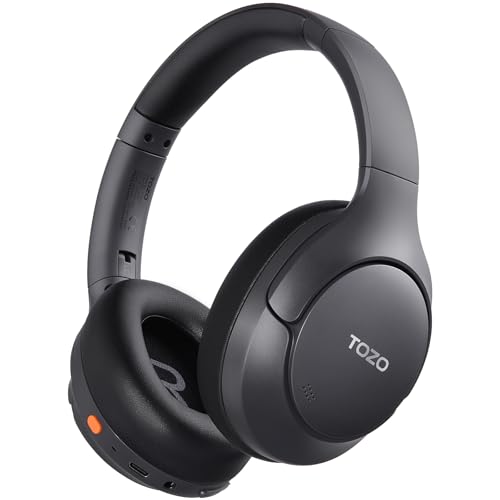
TOZO HT3 Hybrid Noise Cancelling Wireless Headphones
Over-ear wireless headphones with hybrid noise cancelling, 40 mm drivers, Bluetooth 6.0, up to 90 hours of playback and 32 EQ modes in the TOZO app.
View on Amazon
Hybrid Active Noise Cancelling Headphones
Over-ear Bluetooth 6.0 headphones with hybrid active noise cancelling, 40 mm drivers, 6-mic ENC calls and up to 120 hours of playback.
View on AmazonThese come from our ranked list Best Noise Cancelling Headphones for PC, which compares them spec by spec.
FAQ
Do noise-cancelling headphones remove all sound?
No. They cut steady background noise such as engines and fans best, and sudden sounds still come through. The earcups cut some sound on their own, and the hybrid active noise cancelling handles the rest.
Can I use noise-cancelling headphones without music?
Yes. Turn ANC on and the headphones reduce background noise even with nothing playing. Keep an eye on the battery, since ANC runs on power while it works.
What is transparency mode?
It uses the microphones to pass outside sound through, so you can hear announcements or traffic without taking the headphones off. The soundcore Q20i and the bmani headphones include it.


