
What Are Noise Isolating Headphones?
 By Theo LangUpdated
The earcups cover your ears fully and the cushions form a seal around them, so less room noise, traffic and chatter gets through. Isolation is passive: it comes from the shape and fit of the headphones, not from electronics or a battery.
How isolation works
Closed earcups sit over your whole ear and leave no gap for sound to slip through. Thick memory foam cushions press gently against your head and close the space between the earcup and your skin. The tighter and more even that seal, the less outside sound reaches the driver. A loose fit, glasses arms that break the seal, or earcups that sit on your ears instead of around them all let sound in.
Isolation is not noise cancelling
Noise cancelling headphones use microphones and electronics to remove steady sounds such as engine hum, and they need power to do it. Noise isolating headphones need no power and no electronics: the barrier is physical. Isolation works on a wide range of sounds, while cancelling is aimed at low, steady noise. Some headphones combine both, with closed earcups plus cancelling electronics, but isolation alone comes from the earcups and the seal.
What to look for when choosing
Look for closed earcups that cover your ears fully rather than resting on them. Check the cushions: memory foam that is thick and soft seals better than thin, hard padding. Try the headphones on if you can and listen for how much room sound fades when you put them on. Also check the connection and the driver size in the listing, and confirm the headset works with your PC or console before you buy.
Fit matters more than size
A headphone with large drivers still lets sound in if the earcups do not seal around your ears. Head shape, hair and glasses all change how the cushions sit, so the same headset can isolate well for one person and less well for another. Adjust the headband so the earcups sit level and the cushions press evenly all round. If you wear glasses, look for soft cushions that close around the arms without leaving a gap.
What you need

Razer BlackShark V2 X Gaming Headset
Closed earcups and memory foam cushions that seal around the ears, with 50 mm drivers, a cardioid mic and a 3.5 mm jack for PC, PS4, PS5 and Switch.
View on Amazon
Razer BlackShark V2 X Gaming Headset for PC
The same closed-earcup design in white, with 50 mm drivers, a bendable cardioid mic and memory foam cushions for PC, Mac, PS4, PS5 and Switch.
View on Amazon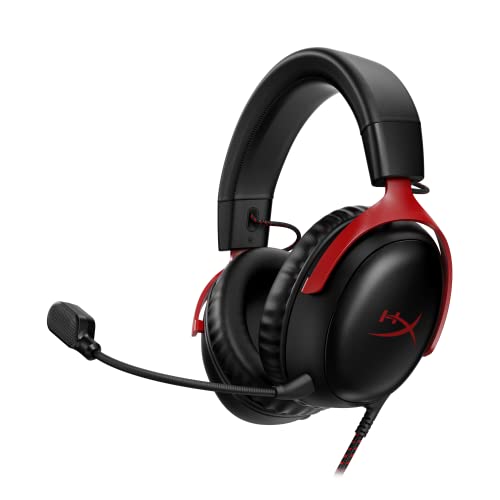
HyperX Cloud III Wired Gaming Headset for PC
Angled 53 mm drivers with memory foam cushions and a durable aluminum frame, connecting by USB-C, USB-A or 3.5 mm for PC, PS5, PS4 and Xbox.
View on Amazon
BENGOO G9000 Stereo Gaming Headset for PS4 PC Xbox One PS5 Controller
Soft memory earmuffs and a 40 mm driver with a noise isolating microphone, connecting by USB for PS4, PC, Xbox One and Nintendo 3DS.
View on AmazonThese come from our ranked list Best PC Headset, which compares them spec by spec.
FAQ
Do noise isolating headphones need a battery?
No. Isolation comes from closed earcups and cushions, so there is nothing to charge. Only noise cancelling headphones need power for their electronics.
Can I use them for gaming and calls?
Yes. The headsets shown here have a microphone and connect to PC and consoles, so you can talk in game chat and on calls.
Will isolation stop all outside sound?
No. Isolation lowers outside sound a lot, but loud or sharp sounds can still get through. For near silence you would need cancelling electronics as well as closed earcups.


