How to Set Up an External Graphics Card
 By Theo LangUpdated
An external graphics card setup puts a desktop graphics card in an enclosure outside your computer, then connects that enclosure to the computer with a cable. The enclosure holds the card, supplies power to it, and links it to the computer. You install the card in the enclosure, connect the cable, install the driver, and connect a monitor to the card.
Check what your computer supports
Start with the port on your computer and the enclosure you plan to use. Read the manuals for the computer and the enclosure to see which connection the enclosure uses and which ports on the computer support it. A USB-C port does not always carry video output, so check that the port supports video output or the connection type the enclosure needs. Also check the driver support for your operating system in the manuals before you buy an enclosure.
Choose an enclosure that fits the card
Match the enclosure to the card you plan to install. Read the enclosure manual for the card length it accepts, the slot width it accepts, and the power connectors it provides. A card that is longer than the enclosure or wider than the slot it allows will not fit, and a card that needs a power connector the enclosure does not provide will not run. Check the enclosure power supply rating in its manual against the card requirements listed in the card manual.
Install the card in the enclosure
Shut down the computer and unplug the enclosure before you open it, and follow the enclosure maker manual for the steps. Open the enclosure, line up the card with the PCIe slot inside, and press it in until it sits firmly in the slot. Fasten the card bracket with the screws or latch the enclosure provides, then connect the power cables from the enclosure to the card as the manual shows. Close the enclosure before you plug it back in.
Connect the enclosure and install drivers
Connect the enclosure to the computer with the cable the enclosure maker supplies, then connect a monitor to the HDMI or DisplayPort output on the card. Turn on the enclosure, then turn on the computer. Get the driver from the graphics card maker website for your card model and operating system, and install it. Restart the computer if the installer asks for a restart, then check that the driver software sees the card.
Set the display and check the setup
Open the display settings on your computer and select the monitor connected to the card as the display you want to use. Check that the monitor shows a picture and that the display settings list the resolution and refresh rate you want, using the names the monitor and card support, such as 1080p, 1440p, or 4K at 60 Hz. If the monitor stays blank, check the cable, check that the enclosure is on, and check that the monitor input matches the port you used.
What you need

ASUS PRIME GeForce RTX 5060 Ti 16GB
A GeForce RTX 5060 Ti card with 16 GB GDDR7 memory, PCIe 5.0, HDMI output, and a 2.5-slot design with Axial-tech fans.
View on Amazon
ASUS Prime GeForce RTX 5060 Ti 8GB
A GeForce RTX 5060 Ti card with 8 GB GDDR7 memory, PCIe 5.0, HDMI output, and a Dual BIOS switch for Quiet and Performance profiles.
View on Amazon
MSI Gaming RTX 3050 LP 6G OC Graphics Card
A GeForce RTX 3050 card with 6 GB GDDR6 memory, a boost clock of 1492 MHz, HDMI 2.1a outputs, and a DisplayPort output.
View on Amazon
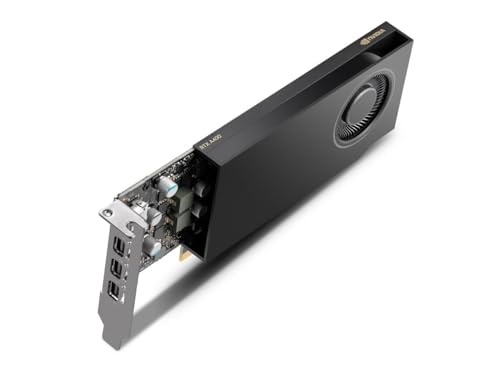
NVIDIA RTX 4000 SFF Ada Generation Workstation Ada Lovelace Architecture Dual Slot Low Profile Professional Graphics Board 900-5G192-2571-000 VD8465
An NVIDIA RTX 4000 SFF Ada Generation workstation card in a dual-slot, low-profile design for small-form-factor builds.
View on AmazonThese come from our ranked list Best Sff GPU, which compares them spec by spec.
FAQ
Do I need a Thunderbolt port for an external graphics card?
It depends on the enclosure. Some enclosures use Thunderbolt, and some use USB4 or another connection. Read the enclosure manual to see which connection it uses, then check that your computer has a port that supports it.
Can I use the laptop screen with an external graphics card?
A monitor connected to the card is the direct way to see the output from the card. Some setups can also send the picture back to the laptop screen, but that depends on the enclosure, the driver, and the laptop, so check the manuals for the parts you use.
Does an external graphics card work with any laptop?
No. The laptop needs a port that supports the enclosure connection, the enclosure needs to fit the card, and the driver needs to support your operating system. Check the computer manual, the enclosure manual, and the card manual before you buy the parts.