
Best Meta Ray Ban Display Glasses Gen 3 (2026): 7 Picks Compared
 By Theo LangUpdated
Choose the VITURE Luma Pro XR/AR Glasses if you want a 152 inch virtual screen at 1200p with a 52 degree field of view. You also get a 120Hz refresh rate and 1000 nits brightness for gaming and work. The other glasses here state screens from 135 inches to 201 inches with different brightness and connection figures.
Your shortlist at a glance
PCKitHQ scores range from 9.2 to 9.8. See how we pick.
| Product and key specifications | Score and retailer |
|---|---|
01 | 9.8PCKitHQ scoreView on Amazon |
02 | 9.7PCKitHQ scoreView on Amazon |
03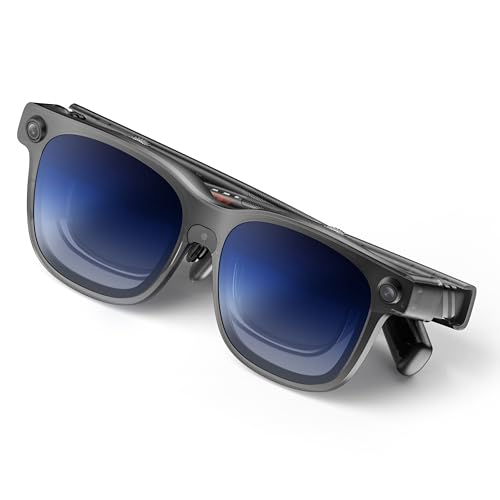 Also Consider VITURE Luma Ultra XR Glasses | 9.6PCKitHQ scoreView on Amazon |
04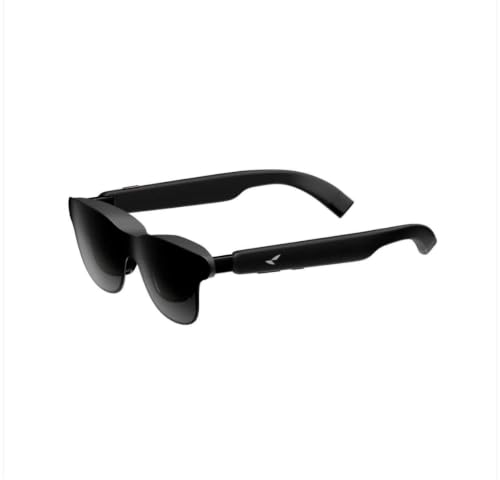 | 9.5PCKitHQ scoreView on Amazon |
05 Also Consider TOZO VIZO Z1 Pro AR Glasses 160-inchOLED 1800nit | 9.4PCKitHQ scoreView on Amazon |
06 | 9.3PCKitHQ scoreView on Amazon |
07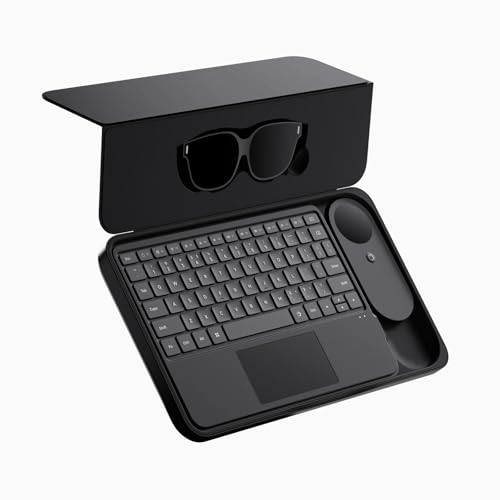 | 9.2PCKitHQ scoreView on Amazon |
A closer look at each configuration
VITURE Luma Pro XR/AR Glasses
score
The VITURE Luma Pro pairs a 152 inch 1200p screen with 52 degree field of view.
- Native refresh rate
- 120 Hz
- Resolution
- 1200p
- USB-C
- Yes
- Weight
- 0.17 lb
- Warranty
- 1 Year
This VITURE model states a 152 inch virtual screen at 1200p resolution, 1000 nits brightness, a 52 degree field of view and a 120Hz refresh rate. Color accuracy is stated as DeltaE under 2. Audio is by HARMAN. Real-time 2D-to-3D conversion is included. SpaceWalker supports up to three virtual screens from Mac or PC. Electrochromic film darkens the lenses with one tap. Two sizes cover Regular IPD 64.0 plus or minus 6.0 mm and Large IPD 68.0 plus or minus 6.0 mm. Weight is 0.17 lb, with a 1 Year warranty.
Choose it if
- You want a 152 inch screen at 1200p resolution
- You need myopia adjustment up to -4.0D on the glasses
Consider another if
- You need a virtual screen larger than 152 inches
- You need myopia adjustment beyond -4.0D on the glasses
THIИKAЯ AiRA XR AR Glasses 160-inch Big Screen USB-C for Steam Deck ROG
score
The THINKAR AiRA pairs a 160 inch screen with 120Hz refresh and USB-C connection.
- Native refresh rate
- 120 Hz
- USB-C
- Yes
- Weight
- 0.14 lb
- Warranty
- One Year
This THINKAR model states a 160 inch virtual screen with a 45 degree field of view and a 120Hz refresh rate. The Micro-OLED display states brightness up to 5000 nits. Dual built-in stereo speakers provide channel separation. Weight is 63 grams, listed as 0.14 lb. Myopia adjustment covers 0 to -6.00D. Connection is by USB-C, and direct USB-C connection requires DisplayPort output support. HDMI devices require an adapter or hub. Compatibility includes iPhone 15, 16 and 17 except iPhone Air and iPhone 16e. Warranty is One Year.
Choose it if
- You want a 160 inch screen with 45 degree field of view
- You need myopia adjustment from 0 to -6.00D
Consider another if
- You need a field of view wider than 45 degrees
- You need a virtual screen larger than 160 inches
VITURE Luma Ultra XR Glasses
score
The VITURE Luma Ultra pairs a 152 inch 1200p screen with 1500 nits brightness.
- Resolution
- 1200p
- USB-C
- Yes
- Weight
- 0.18 lb
- Warranty
- 1 Year
This VITURE model states a 152 inch virtual screen at 1200p resolution with Sony Micro-OLED panels, 1500 nits brightness, up to 120Hz refresh rate and a 52 degree field of view. A front RGB camera and dual depth cameras support spatial features. Full 6DoF tracking and hand gesture control require pairing with the VITURE Pro Neckband. SpaceWalker supports multi-screen workspaces and 3DoF head tracking where supported. Electrochromic lenses darken with a tap. Myopia adjustment covers up to -4.0D. Weight is 0.18 lb, with a 1 Year warranty.
Choose it if
- You want a 152 inch screen with 52 degree field of view
- You need myopia adjustment up to -4.0D on the glasses
Consider another if
- You need a virtual screen larger than 152 inches
- You need brightness above 1500 nits
RayNeo GT AR Glasses
score
The RayNeo GT pairs a 201 inch virtual screen with native 3DoF tracking modes.
- Native refresh rate
- 120 Hz
- USB-C
- Yes
- Weight
- 0.15 lb
- Warranty
- 1 Year
This RayNeo model states a 201 inch virtual screen with native 3DoF tracking on the glasses. Display figures include up to 1200 nits perceived brightness, 145 percent sRGB, 98 percent DCI-P3, 200,000 to 1 contrast, up to 49 PPD and a 120Hz refresh rate. Weight is 68g, listed as 0.15 lb. Audio uses a B and O tuned Racetrack Quad-Speaker system. Dolby Vision content requires connection to RayNeo Pocket TV Pro. Connection is by USB-C DisplayPort, and some devices may require an adapter. Warranty is 1 Year.
Choose it if
- You want a 201 inch virtual screen at 120Hz refresh
- You need native 3DoF with Steady, Pinned and Follow modes
Consider another if
- You need a virtual screen larger than 201 inches
- You need glasses lighter than 68g
TOZO VIZO Z1 Pro AR Glasses 160-inchOLED 1800nit
score
The TOZO VIZO Z1 Pro pairs a 160 inch screen with Full HD per-eye resolution.
- Resolution
- Full HD
This TOZO model states a 160 inch equivalent wearable screen for movies, gaming and streaming. The Micro-OLED display states Full HD per-eye resolution, 98 percent DCI-P3 color and up to 200,000 to 1 contrast. Refresh rate is up to 120Hz. Multi-level in-eye brightness control adjusts viewing across lighting conditions. Connection is by USB-C DisplayPort to supported smartphones, tablets and laptops, with no additional apps required for compatible devices. Dual stereo speakers and a detachable frame are included. Adjustable diopter covers 0 to 600 degrees.
Choose it if
- You want a 160 inch screen with Full HD per-eye resolution
- You need adjustable diopter from 0 to 600 degrees
Consider another if
- You need a virtual screen larger than 160 inches
- You need a refresh rate above 120Hz
TOZO VIZO Z1 AR Glasses 160-inch Virtual Screen
score
The TOZO VIZO Z1 pairs a 160 inch screen with 1920 by 1080 resolution.
- Native refresh rate
- 120 Hz
- Resolution
- 1920×1080
- USB-C
- Yes
- Weight
- 0.14 lb
This TOZO model states a 160 inch virtual screen with a 47.5 degree viewing angle. Perceived brightness is 1800 nits, with peak brightness of 6000 nits stated separately. Weight is 63g, listed as 0.14 lb. Resolution is 1920 by 1080 in 2D mode and 3840 by 1080 in 3D mode, with a 120Hz refresh rate. Color figures include 98 percent DCI-P3 and DeltaE under 2. A quick-release prescription lens frame is sold separately. Connection uses USB-C DisplayPort. Dual stereo speakers, 11-level volume adjustment and a microphone are included.
Choose it if
- You want a 160 inch screen with 47.5 degree viewing angle
- You need 1920 by 1080 clarity in 2D mode
Consider another if
- You need a virtual screen larger than 160 inches
- You need 2D resolution above 1920 by 1080
INAIR 2 Pro Elite Suite
score
The INAIR 2 Pro Elite Suite pairs a 135 inch screen with six floating windows.
- Native refresh rate
- 120 Hz
- Weight
- 0.88 lb
- Warranty
- 1 Year
This INAIR suite includes the INAIR 2 Pro Glasses, AI Pod, Spatial Keyboard, Wakey Dongle and INAIR Hub. The glasses state a 135 inch screen at 49 PPD with a 120Hz refresh rate. Electrochromic dimming adjusts transparency from 0.1 percent to near 100 percent. The AI Pod runs an Android environment with up to 6 floating windows and 3DoF Hover and 0DoF Follow modes. Real-time 2D-to-3D rendering is included. PC streaming mirrors Windows 11 PC or macOS desktops, and cross-network streaming varies by carrier. Listed weight is 0.88 lb, with a 1 Year warranty.
Choose it if
- You want up to 6 floating windows in one suite
- You need a 135 inch screen at 49 PPD
Consider another if
- You need a virtual screen larger than 135 inches
- You need more than 6 floating windows at once
Make the choice for your setup
Compare virtual screen size
Virtual screen size is the first figure to compare across these glasses. The RayNeo GT states a 201 inch virtual screen. The THINKAR AiRA, TOZO VIZO Z1 Pro and TOZO VIZO Z1 each state a 160 inch screen. The VITURE Luma Pro and VITURE Luma Ultra each state a 152 inch screen. The INAIR 2 Pro Elite Suite states a 135 inch screen. Field of view figures differ as well. The VITURE Luma Pro and VITURE Luma Ultra state 52 degrees. The THINKAR AiRA states 45 degrees. The TOZO VIZO Z1 states a 47.5 degree viewing angle. Compare screen size and field of view together.
Check brightness and refresh figures
Brightness figures differ across these glasses, so compare each number with the brightness term that goes with it. The VITURE Luma Pro states 1000 nits brightness. The VITURE Luma Ultra states 1500 nits brightness. The THINKAR AiRA states brightness up to 5000 nits. The RayNeo GT states up to 1200 nits perceived brightness. The TOZO VIZO Z1 states 1800 nits perceived brightness and 6000 nits peak brightness as separate figures. Refresh rate is 120Hz on the VITURE Luma Pro, THINKAR AiRA, RayNeo GT, TOZO VIZO Z1 and INAIR suite, and up to 120Hz on the VITURE Luma Ultra and TOZO VIZO Z1 Pro. Keep perceived brightness and peak brightness as separate stated figures. A related shortlist covers the Best Display Glasses for My Mac Computer.
Match connection and extra hardware
Connection requirements differ, so check each model on its own stated hardware. The THINKAR AiRA connects by USB-C, direct USB-C connection requires DisplayPort output support, and HDMI devices require an adapter or hub. The RayNeo GT connects by USB-C DisplayPort, and some devices may require an adapter. The TOZO VIZO Z1 Pro and TOZO VIZO Z1 connect by USB-C DisplayPort to supported devices. The VITURE Luma Ultra requires the VITURE Pro Neckband for full 6DoF tracking and hand gesture control. The INAIR suite includes an AI Pod, Spatial Keyboard, Wakey Dongle and Hub in the box. Check your source device output before you choose a connection method.
Comparing more options? See Best Video Glasses.
FAQ: Meta Ray Ban Display Glasses Gen 3
What virtual screen size does each pair of glasses state?
The RayNeo GT states a 201 inch virtual screen. The THINKAR AiRA, TOZO VIZO Z1 Pro and TOZO VIZO Z1 state 160 inch screens. The VITURE Luma Pro and VITURE Luma Ultra state 152 inch screens. The INAIR suite states a 135 inch screen.
How do the brightness figures differ here?
The VITURE Luma Pro states 1000 nits and the VITURE Luma Ultra states 1500 nits. The THINKAR AiRA states up to 5000 nits. The RayNeo GT states up to 1200 nits perceived brightness. The TOZO VIZO Z1 states 1800 nits perceived brightness and 6000 nits peak brightness separately.
What extra hardware do these glasses require?
The VITURE Luma Ultra requires the VITURE Pro Neckband for full 6DoF tracking and hand gesture control. The RayNeo GT requires RayNeo Pocket TV Pro for Dolby Vision content. The THINKAR AiRA requires an adapter or hub for HDMI devices. The INAIR suite includes its Pod, Keyboard, Dongle and Hub.


