What Is LPDDR5 RAM?
 By Theo LangUpdated
LPDDR5 RAM is low-power memory built for laptops, tablets and phones. The LP stands for low power, which means the memory is built to draw less power than desktop DDR5 memory. In many laptops and tablets it is soldered to the board, so you buy the amount you need up front instead of adding more later.
What the letters mean
LPDDR5 stands for Low Power Double Data Rate, generation 5. The LP marks the low-power branch of the DDR family, built for devices that run on a battery. DDR5 is the desktop generation sold as sticks, while LPDDR5 is the mobile version soldered into laptops, tablets and phones. The 5 marks the generation, but the memory is built for a different job in each case.
Where LPDDR5 lives
You find LPDDR5 in laptops, tablets and phones, where space is tight and the battery matters. The memory chips sit soldered on the board next to the processor, which keeps the device thin and saves power. That also means the memory cannot be swapped like a desktop stick, so the amount in the device is the amount you keep.
LPDDR5 against DDR5
Desktop DDR5 comes as sticks that slot into a motherboard, and you can swap them for larger ones. LPDDR5 is soldered in place, so it takes less space and draws less power, but it cannot be swapped. The trade is flexibility against size and power: desktops take sticks, mobile devices take soldered memory.
How to check what your device has
Look in the maker's spec sheet or manual for the memory line and read whether it says LPDDR5 or DDR5, and how much is fitted. The amount is shown in GB, such as 8, 16, 32 and 64 GB. Buy the device with the amount you want, since soldered memory cannot be added later. If the sheet says DDR5 and the device is a desktop, the memory may sit in slots. Shut the machine down and unplug it, and follow the maker's manual before opening it.
What low power means in practice
Low power means the memory is built to draw less energy while it works and while it waits. In a laptop or tablet that runs on a battery, that leaves more of the charge for the screen and the processor. That suits thin devices, where space is tight and the battery matters. The result is a device that stays thin and lasts longer on a charge.
What you need

Patriot Viper Venom DDR5 RAM
A DDR5 desktop kit of 16GB (2 x 8GB), rated at 6000MT/s with CL36 timings and XMP 3.0 and EXPO support.
View on Amazon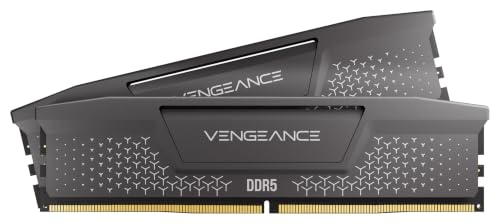
CORSAIR Vengeance RS DDR5
A DDR5 desktop kit of 32GB in 2 x 16GB sticks, rated up to 6000MHz with CL38 timings and AMD EXPO and Intel XMP 3.0 support.
View on Amazon
Corsair Vengeance RGB RS DDR5
A DDR5 desktop kit of 64GB in 2 x 32GB sticks, rated up to 6000MHz with CL40 timings, AMD EXPO and Intel XMP 3.0 support, and RGB lighting.
View on Amazon
G.SKILL RipjawsV DDR4 RAM (XMP)
A DDR4 desktop kit of 32GB in 2 x 16GB sticks, rated up to 3200MT/s with CL16 timings and an Intel XMP overclock profile.
View on AmazonThese come from our ranked list Best RAM for PC, which compares them spec by spec.
FAQ
Can I upgrade LPDDR5 RAM later?
Not when it is soldered to the board, which is the case in many laptops and tablets. Check the amount in the maker's spec sheet before you buy.
Is LPDDR5 the same as DDR5?
No. DDR5 is the desktop generation, sold as sticks you can swap. LPDDR5 is the low-power version built for laptops, tablets and phones, and it is soldered in place.
Does LPDDR5 use less power than DDR5?
Yes, that is what the LP stands for. The memory is built for devices that run on a battery, so it draws less power than desktop DDR5 memory.