How to Install RAM in a Desktop PC
 By Theo LangUpdated
To put RAM in a desktop PC, shut the PC down, unplug it, open the case, and push the memory sticks into the slots until the clips at each end close. Match the sticks to the memory generation your board takes, DDR4 or DDR5, and install the two sticks from one matched kit together. Then close the case and switch the PC back on.
Check which memory your board takes
Your board takes one memory generation, DDR4 or DDR5, and the two do not fit in the same slots. Check the board manual or the maker's spec sheet for the generation and the capacity each slot takes. Buy a matched kit, two sticks sold as one set, rather than mixing sticks from different kits. Mixing memory kits will result in stability issues or system failure.
Shut the PC down and unplug it
Shut the PC down through the operating system, then switch off the power supply and pull the plug from the wall. Press the power button again to drain leftover charge, then open the side panel. Follow the maker's manual for your case and board, and do not open a power supply. Touch a bare metal part of the case before you handle the memory sticks.
Seat the sticks in the slots
Find the memory slots on the board and push the clips at each end outward. Line up the notch on the bottom edge of a stick with the key inside the slot, then press the stick down evenly with your thumbs until the clips snap shut on their own. Install the two sticks from the same kit, and use the slots your board manual lists first. Do not force a stick that will not seat, since the notch only lines up one way.
Close the case and switch on
Put the side panel back and plug the PC in. Switch the PC on and watch for the normal startup screen. If the PC beeps, shows a blank screen, or restarts on its own, shut it down, unplug it, and reseat the sticks. Check the amount of memory the system reports against the capacity printed on the kit box.
Set the rated speed in the BIOS
Memory kits often boot at a slower default speed, so open the BIOS or UEFI setup and load the profile the kit lists, XMP on Intel boards or EXPO on AMD boards. The Patriot Viper Venom and the two Corsair Vengeance kits list XMP 3.0 and EXPO support, and the G.SKILL RipjawsV lists an XMP profile. Save the setting, exit, and let the PC start, then check the speed shown in the system.
What you need

Patriot Viper Venom DDR5 RAM
A DDR5 kit of 2x8GB rated at 6000MT/s with CL36 timings, XMP 3.0 and EXPO support, and a limited lifetime warranty.
View on Amazon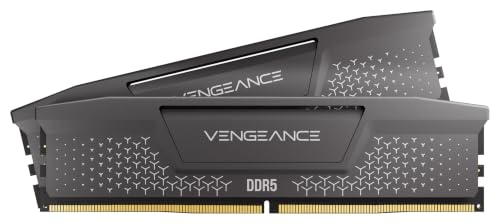
CORSAIR Vengeance RS DDR5
A DDR5 kit of 2x16GB rated up to 6000MHz with XMP 3.0 and EXPO profiles and onboard voltage regulation.
View on Amazon
Corsair Vengeance RGB RS DDR5
A DDR5 kit of 2x32GB rated up to 6000MHz with XMP 3.0 and EXPO profiles and addressable RGB lighting.
View on Amazon
G.SKILL RipjawsV DDR4 RAM (XMP)
A DDR4 kit of 2x16GB rated up to 3200MT/s with an XMP profile, 288-pin U-DIMM sticks for desktop PCs.
View on AmazonThese come from our ranked list Best RAM for PC, which compares them spec by spec.
FAQ
Can I mix two different RAM kits?
No. Kits are sold as matched sets that are designed to run together, and mixing kits will result in stability issues or system failure. Buy one kit with the sticks you want.
Does DDR4 RAM fit in a DDR5 slot?
No. DDR4 and DDR5 use different slot keys, so a DDR4 stick does not fit a DDR5 board and a DDR5 stick does not fit a DDR4 board. Check the board manual for the generation it takes before buying.
Why does my PC show less RAM speed than the box lists?
Kits boot at a slower default speed until you load the XMP or EXPO profile in the BIOS or UEFI setup. Maximum speed requires overclocking or PC BIOS adjustments. Load the profile, save, and check the speed again.