What Is DDR5 RAM?
 By Theo LangUpdated
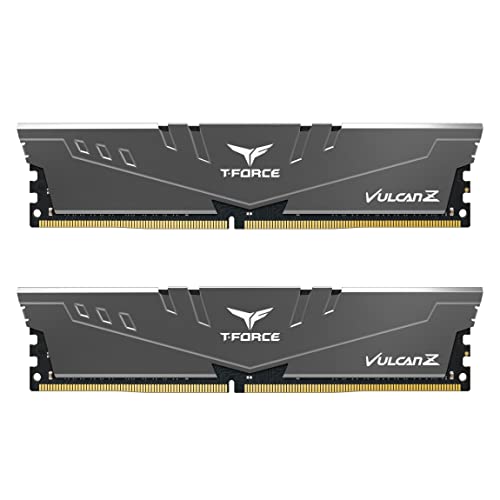
DDR5 RAM is the current generation of desktop memory, the DDR (Double Data Rate) memory used in current desktop PCs. It stores the data your CPU works with right now, and it moves that data between the CPU and the memory. A DDR5 kit is a set of memory sticks that plug into the memory slots on a DDR5 motherboard.
What DDR5 does in a PC
RAM holds the data and programs your CPU needs right now, so the CPU does not wait on the slower storage drive. When you open an app or a file, the system copies it into RAM. More RAM lets the system hold more apps and files at once, and faster RAM moves that data between the CPU and memory with less waiting. DDR5 is the generation of RAM that current desktop motherboards use.
DDR5 and DDR4 do not mix
A DDR5 stick does not fit in a DDR4 slot, and a DDR4 stick does not fit in a DDR5 slot. The notch on the stick sits in a different place, so the wrong generation will not seat in the slot. If your motherboard lists DDR4 memory slots, it takes DDR4, and a board that lists DDR5 slots takes DDR5. Check the motherboard manual or spec sheet for the memory generation before you buy a kit.
Speed, timings and XMP or EXPO
The speed on the box is the rated speed, and the kit reaches it only with its XMP or EXPO profile turned on in the BIOS. Without the profile, the kit runs at a lower speed, so turning the profile on is part of the install. The timing figure, written as CL followed by a number, counts the cycles the memory waits before it answers, and a lower number means a shorter wait.
Capacity comes in kits
DDR5 is sold in kits, and the capacity on the box is the total for the whole kit. A 32GB kit can be 2x16GB, and a 64GB kit can be 2x32GB. 2 matched sticks run in dual channel when they sit in the right slots, so check the motherboard manual for which slots to use. The capacity you choose sets how many apps and files the system can hold at once.
How to pick a DDR5 kit
Start with your motherboard: the board must list DDR5 slots, and the CPU must support DDR5. Then compare capacity, rated speed and timings between kits, and check the warranty the maker lists. Turn the XMP or EXPO profile on in the BIOS after install, since that is how the kit reaches its rated speed.
What you need

Patriot Viper Venom DDR5 RAM
A 32GB DDR5 kit, 2x16GB, rated at 6000MHz with CL30 timings, XMP 3.0 and EXPO support and a limited lifetime warranty.
View on Amazon
Patriot Viper Venom DDR5 RAM
A 16GB DDR5 kit, 2x8GB, rated at 6000MT/s with CL36 timings, on-die ECC, XMP 3.0 and EXPO support and a limited lifetime warranty.
View on Amazon
CORSAIR Vengeance RGB RS DDR5
A 32GB DDR5 kit, 2x16GB, rated up to 6000MHz with CL38 timings, RGB lighting, XMP 3.0 and EXPO support and a limited lifetime warranty.
View on Amazon
Corsair Vengeance RGB RS DDR5
A 64GB DDR5 kit, 2x32GB, rated up to 6000MHz with CL40 timings, RGB lighting, XMP 3.0 and EXPO support and a limited lifetime warranty.
View on AmazonThese come from our ranked list Best DDR5, which compares them spec by spec.
FAQ
Is DDR5 faster than DDR4?
DDR5 is the newer generation of desktop memory. A DDR5 stick does not fit a DDR4 slot, so DDR5 and DDR4 do not mix.
Can I mix DDR5 with DDR4?
No. A DDR5 stick does not fit in a DDR4 slot, and a DDR4 stick does not fit in a DDR5 slot. The notch sits in a different place, so check the motherboard manual for the memory generation it takes.
Do I need to turn on XMP or EXPO?
Yes, if you want the rated speed. The kit runs at a lower speed until the profile is turned on in the BIOS, so turning it on is part of the install. The exact steps sit in the motherboard manual.
What does CL30 mean?
CL is the timing figure for a memory kit, and the number after it counts the cycles the memory waits before it answers. A lower number means a shorter wait, so compare timings between kits at the same speed.