What Is Installed RAM?
 By Theo LangUpdated
Installed RAM is the memory your computer uses to hold the programs and files you are working with right now. It is measured in gigabytes, and the amount fitted in your machine is listed as installed RAM in your system settings. More installed RAM lets your computer keep more programs and files open at once without reaching for the drive.
What installed RAM does
RAM is short-term memory. When you open a program or a file, your computer loads it from the drive into RAM, where the processor can reach it at once. When you close the program, that space is freed for something else. The amount of RAM fitted in your machine sets how much your computer can hold open at once, and it is separate from storage, which holds files when the computer is off.
How to find the amount fitted
On Windows, open Settings, then System, then About, and look for the installed RAM figure next to your processor details. On a Mac, open the Apple menu, choose About This Mac, and read the memory figure there. The number is shown in gigabytes, such as 8 GB, 16 GB, 32 GB or 64 GB. Write it down before you shop for an upgrade, so you can compare it with the memory your machine already has.
What DDR4 and DDR5 mean
DDR4 and DDR5 are generations of desktop memory, and they are not interchangeable. A board built for DDR4 takes DDR4 modules, and a board built for DDR5 takes DDR5 modules, so check your board or manual before you buy. The G.SKILL RipjawsV kit is DDR4 rated up to 3200 MT/s. The Patriot kit and the Corsair kits are DDR5 rated up to 6000 MT/s.
What the numbers on a kit mean
A kit lists its capacity first, such as 16 GB, 32 GB or 64 GB, and whether it comes as one module or a matched pair, such as 2 x 8 GB or 2 x 16 GB. The speed figure, such as 6000 MT/s, is the rated speed the maker lists for the kit. The CL figure, such as CL36 or CL40, is the latency timing the maker lists. Do not mix memory kits: G.SKILL warns that mixing kits can cause stability issues or system failure.
Match the kit to your board
Before you buy, check your motherboard manual or the maker's memory list for the generation, capacity and speed it accepts. The Corsair kits and the G.SKILL kit need overclocking or BIOS adjustments to reach their listed speeds, so they run at a lower speed until you change those settings. Shut the computer down and unplug it before you open the case, and follow the maker's manual for fitting the modules.
What you need

Patriot Viper Venom DDR5 RAM
A DDR5 kit of 16 GB in two 8 GB modules, rated at 6000 MT/s with CL36 timings and support for Intel XMP and AMD EXPO.
View on Amazon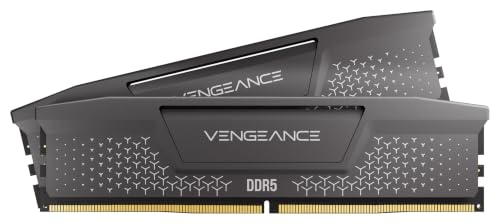
CORSAIR Vengeance RS DDR5
A DDR5 kit of 32 GB in two 16 GB modules, rated up to 6000 MHz with CL38 timings and onboard voltage regulation.
View on Amazon
Corsair Vengeance RGB RS DDR5
A DDR5 kit of 64 GB in two 32 GB modules, rated up to 6000 MHz with CL40 timings and dynamic RGB lighting.
View on Amazon
G.SKILL RipjawsV DDR4 RAM (XMP)
A DDR4 kit of 32 GB in two 16 GB modules, rated up to 3200 MT/s with CL16 timings and an Intel XMP overclock profile.
View on AmazonThese come from our ranked list Best RAM for PC, which compares them spec by spec.
FAQ
Where do I see my installed RAM?
On Windows, open Settings, then System, then About, and read the installed RAM figure. On a Mac, open the Apple menu and choose About This Mac to see the memory figure.
Can I mix DDR4 and DDR5 memory?
No. DDR4 and DDR5 modules are different generations and are not interchangeable, so fit the generation your board accepts. Check your board or manual before you buy a kit.
Does more RAM make my computer faster?
More installed RAM lets your computer hold more programs and files open at once, which helps when you run many things together. It does not change the speed of the processor or the drive, so check the requirements published for your software before you upgrade.