What Is RAM Used For in a Computer?
 By Theo LangUpdated
RAM is the short-term memory your computer uses to hold the programs and files you have open right now. When you open an app, the system loads it into RAM so the processor can reach it quickly, and when you close the app, its data leaves RAM. RAM does not store files for the long term; that job belongs to the drive.
Holding open apps and files
RAM holds whatever your computer is working on at the moment: the apps you have open, the tabs in your browser, the document you are editing and the video you are watching. The processor reads data from RAM far faster than from the drive, so keeping active data in RAM keeps work moving. When you close an app or a tab, the system frees that space in RAM for the next thing you open.
Switching between tasks
RAM is what lets you move between apps without waiting for them to reload. With enough space in RAM, your browser, your email, your music player and your document stay loaded, so switching between them is quick. If RAM fills up, the system moves some data to the drive, and switching back to an app takes longer while the system loads it again.
RAM is not storage
RAM and storage do different jobs, and a computer needs both. Storage holds your files, photos, programs and the OS after you switch the computer off, while RAM holds only what you are using right now. RAM empties when the power goes off, so a file that lives only in RAM is gone when the computer shuts down. Save your work to the drive before you close an app.
How much RAM matters
The amount of RAM in a computer sets how many apps and files it can hold open at once. A machine with more RAM keeps more apps loaded, so heavy multitasking, large photo files and video editing have more room to work. A machine with little RAM has to move data to the drive more often, which adds waiting time. Check how much RAM your computer has before you decide whether an upgrade helps.
What you need

Patriot Viper Venom DDR5 RAM
A 16GB DDR5 kit in a 2X8GB layout, rated at 6000MT/s with CL36 timings and a Limited Lifetime Warranty.
View on Amazon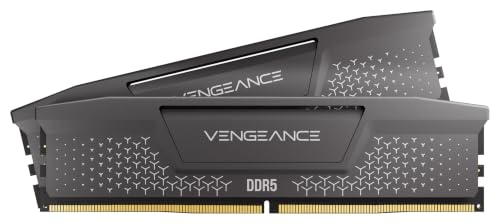
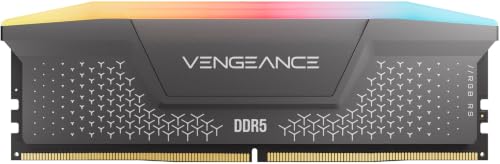
CORSAIR Vengeance RS DDR5
A 32GB DDR5 kit in a 2 x 16GB layout, rated up to 6000MHz with CL38 timings, AMD EXPO and Intel XMP 3.0 support.
View on Amazon
Corsair Vengeance RGB RS DDR5
A 64GB DDR5 kit in a 2 x 32GB layout, rated up to 6000MHz with CL40 timings and addressable RGB lighting.
View on Amazon
G.SKILL RipjawsV DDR4 RAM (XMP)
A 32GB DDR4 kit in a 2x16GB layout, rated up to 3200MT/s with CL16 timings and Intel XMP support.
View on AmazonThese come from our ranked list Best RAM for PC, which compares them spec by spec.
FAQ
Is RAM the same as storage?
No. RAM holds the apps and files you have open right now and empties when the power goes off. Storage holds your files, photos and programs after you switch the computer off. A computer needs both: RAM for active work and storage for keeping files.
What happens when RAM fills up?
The system moves some data to the drive to make room, and the drive is slower to reach than RAM. Apps take longer to switch between, and opening a new app may pause while the system loads it. Closing apps you no longer use frees RAM for the work in front of you.
Does more RAM make a computer faster?
It helps when the computer runs out of RAM with the apps you use, since the system then swaps less data to the drive. It does not speed up the processor or add storage space. If the drive or processor is the slow part, more RAM alone will not change how fast tasks feel.