What Is Computer Memory Used For?
 By Theo LangUpdated
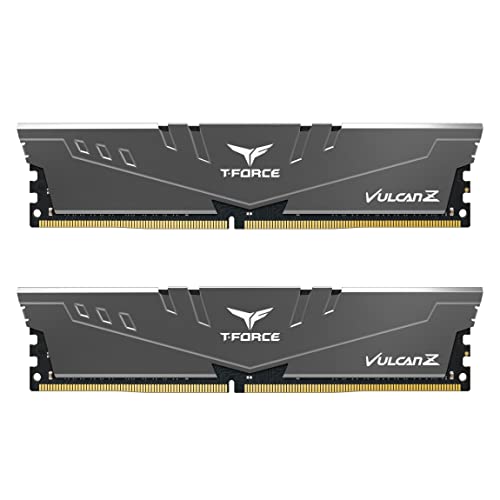
Computer memory, or RAM, is the short-term workspace where the computer holds the operating system, open apps and files in use, so the processor can reach them at once. It is not storage: memory empties when the power goes off, while storage keeps files after shutdown. More memory lets the computer hold more open work at once, and the kits below show what a desktop kit looks like.
What memory holds while you work
Memory holds the operating system, the apps you have open, and the files those apps are using, so the processor can read and write them at once. When you open another app or another file, the computer places it in memory too. When memory fills up, the computer moves some of that work to storage instead, which is slower to reach. That is why a computer with many open apps can feel slow even when the processor is fine.
Memory is not storage
Storage, such as a solid-state drive, keeps files, apps and photos after the power goes off. Memory keeps only what the computer is working on right now, and it empties at shutdown. When you save a file, the computer writes it from memory to storage, where it stays until you open it again. If the power goes off before you save, the unsaved work in memory is gone.
What the numbers on a kit mean
A kit lists its capacity in GB, its generation as DDR4 or DDR5, and its speed in MT/s. The kits here show 16GB, 32GB and 64GB capacities, DDR5 speeds up to 6000MT/s and a DDR4 speed up to 3200MT/s. The CL figure, such as CL36 or CL16, is the timing the maker lists for the kit. A kit must match the generation your board takes, so check the manual for your board before buying.
Matching a kit to your computer
Check the manual for your board to find the generation it takes, the number of slots, and the kit sizes it accepts. Kits are sold in matched sets made to run together. G.SKILL warns against mixing memory kits, since mixing can cause stability issues or system failure. The Corsair kits note that maximum speed requires overclocking or BIOS adjustments, so set the profile in the BIOS as the manual describes. Shut the computer down and unplug it first, and follow the maker's manual when you open the case.
What you need

Patriot Viper Venom DDR5 RAM
A 16GB DDR5 kit in two 8GB sticks rated at 6000MT/s with CL36 timings, supporting Intel XMP and AMD EXPO.
View on Amazon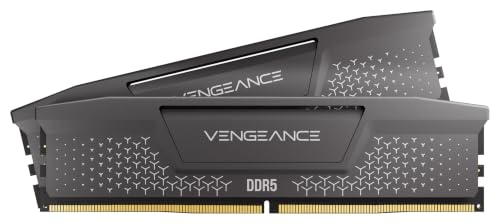
CORSAIR Vengeance RS DDR5
A 32GB DDR5 kit in two 16GB sticks rated up to 6000MHz with CL38 timings, AMD EXPO and Intel XMP 3.0 support.
View on Amazon
Corsair Vengeance RGB RS DDR5
A 64GB DDR5 kit in two 32GB sticks rated up to 6000MHz with CL40 timings and individually addressable RGB lighting.
View on Amazon
G.SKILL RipjawsV DDR4 RAM (XMP)
A 32GB DDR4 kit in two 16GB sticks rated up to 3200MT/s with CL16 timings and an Intel XMP overclock profile.
View on AmazonThese come from our ranked list Best RAM for PC, which compares them spec by spec.
FAQ
Is memory the same as storage?
No. Memory holds what the computer is working on right now, and it empties when the power goes off. Storage keeps files, apps and photos after shutdown.
Does memory keep my files when I shut down?
No. Memory empties when the power goes off. Save your work first, so it is written to storage before shutdown.
What does DDR5 mean on a memory kit?
DDR5 is the memory generation. A DDR5 kit fits a board made for DDR5, and a DDR4 kit fits a board made for DDR4, so check the manual for your board before buying.