What Does Megahertz Mean for RAM?
 By Theo LangUpdated
For RAM, megahertz (MHz) is how many million cycles per second the memory runs at. A kit rated at 6000 MHz runs at 6000 million cycles per second, and a kit rated at 3200 MHz runs at 3200 million cycles per second. More cycles per second means the memory can move more data in a second. The number alone does not set how fast a task runs.
What megahertz measures
One megahertz is one million cycles per second. RAM moves data on each cycle, so a kit rated at a higher number of megahertz can move more data in a second than the same kind of memory rated lower. That is why the rated speed appears on the box and in the listing: it is the speed the maker rates the kit to run at. The rating is a speed, not a capacity, so it says nothing about how many gigabytes the kit holds.
Megahertz and MT/s on listings
Listings often show the same speed in two ways. The Patriot Viper Venom kit lists a frequency of 6000MT/s and a rated speed of 6000 MHz, and the G.SKILL RipjawsV kit has a rated speed of 3200MT/s and 3200 MHz. Both numbers describe the same rated speed for a kit, so compare kits by the rated speed number.
What the number does not tell you
Megahertz is one part of how memory behaves. The kits here also list timings such as CL36, CL38, CL40 and CL16, and the memory generation, DDR4 or DDR5, plus the capacity in gigabytes. A kit with a higher rated speed does not by itself make a task run faster, since the processor, the motherboard and the software all play a part. Check the requirements published for your software or game, and check that your motherboard lists support for the kit's generation and speed.
Getting the rated speed to run
A kit may not run at its rated speed out of the box. The listings for the Corsair and G.SKILL kits state that maximum speed requires overclocking or BIOS adjustments, and that the speed depends on the motherboard and CPU. The G.SKILL listing also states that kits boot at the JEDEC default speed at default BIOS settings. To reach the rated speed, enable the kit's XMP or EXPO profile in the BIOS, following your motherboard manual.
What you need

Patriot Viper Venom DDR5 RAM
A Patriot Viper Venom DDR5 kit of 16GB in two 8GB modules, rated at 6000 MHz with CL36 timings and support for Intel XMP and AMD EXPO.
View on Amazon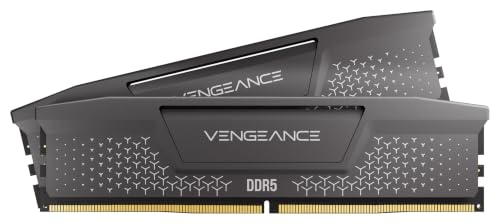
CORSAIR Vengeance RS DDR5
A Corsair Vengeance RS DDR5 kit of 32GB in two 16GB modules, rated up to 6000 MHz with CL38 timings and AMD EXPO and Intel XMP 3.0 support.
View on Amazon
Corsair Vengeance RGB RS DDR5
A Corsair Vengeance RGB RS DDR5 kit of 64GB in two 32GB modules, rated up to 6000 MHz with CL40 timings, RGB lighting and EXPO and XMP 3.0 support.
View on Amazon
G.SKILL RipjawsV DDR4 RAM (XMP)
A G.SKILL RipjawsV DDR4 kit of 32GB in two 16GB modules, rated up to 3200MT/s with CL16 timings and an Intel XMP memory overclock profile.
View on AmazonThese come from our ranked list Best RAM for PC, which compares them spec by spec.
FAQ
Does higher megahertz always mean faster memory?
Not on its own. Timings such as CL36 or CL16, the memory generation, the capacity and the rest of the system all affect how memory behaves. Compare the rated speed together with those figures, and check the requirements published for your software.
What does 6000 MHz mean on a DDR5 kit?
It means the kit is rated to run at 6000 million cycles per second. The Patriot and Corsair DDR5 kits here carry that rating, but reaching it can require enabling an XMP or EXPO profile and BIOS adjustments, since the speed depends on the motherboard and CPU.
Can I mix RAM kits with different speeds?
No. G.SKILL memory kits are sold in matched kits designed to run together as a set, and mixing kits can result in stability issues or system failure. Buy one matched kit with the capacity and speed you want.