What Is RAM Used For?
 By Theo LangUpdated
RAM is the short-term memory your computer uses while it is running. It holds the operating system, open apps and the files you are working on so the processor can reach them at once. When you close an app or shut the computer down, what was held in RAM is cleared, and your saved files stay on the drive.
What RAM holds while you work
While your computer runs, RAM holds the operating system, the apps you have open and the documents, photos and web pages you are using. The processor reads and writes this data in RAM instead of going back to the drive each time, which is why work in progress lives there. When you open a new app or file, it is loaded into RAM first, and it stays there until you close it or shut the computer down.
RAM and storage do different jobs
Storage keeps your files when the computer is off. RAM only holds data while power is on, so anything you have not saved is lost when the computer shuts down or loses power. Saving a document copies it from RAM to storage, where it stays until you open it again. That is why a computer can have plenty of storage space and still run out of room in RAM while many apps are open.
What the capacity numbers mean
RAM capacity is sold in sizes such as 8 GB, 16 GB, 32 GB and 64 GB. A larger capacity holds more apps, browser tabs and files open at the same time, so the computer has to move data back to the drive less often. How much capacity suits your own use depends on the software you run, so check the memory figures in the requirements published for your apps and games before choosing a kit.
What DDR4 and DDR5 mean
DDR4 and DDR5 are generations of desktop memory, and a motherboard accepts only one of them. A DDR5 kit will not fit or run in a DDR4 slot, so check your motherboard manual or spec sheet for the generation it takes before you buy. The G.SKILL kit is DDR4. The Patriot and Corsair kits are DDR5.
How speed ratings work
A kit lists a rated speed, such as 6000 MHz or 3200 MHz, and timings such as CL36 or CL16. Those figures describe the kit running with its overclock profile switched on. The listings here note that maximum speed requires overclocking or BIOS adjustments and depends on the motherboard and processor, so check your board's notes before expecting the rated figure.
What you need

Patriot Viper Venom DDR5 RAM
A DDR5 kit with 16 GB across two 8 GB modules, rated at 6000 MT/s with CL36 timings and support for Intel XMP 3.0 and AMD EXPO.
View on Amazon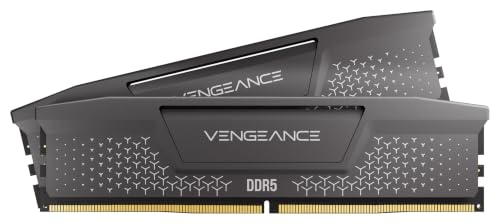
CORSAIR Vengeance RS DDR5
A DDR5 kit with 32 GB across two 16 GB modules, rated up to 6000 MHz with CL38 timings and AMD EXPO and Intel XMP 3.0 support.
View on Amazon
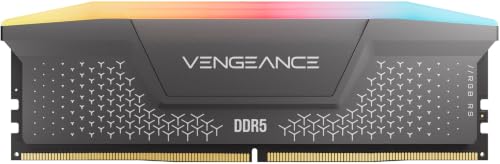
Corsair Vengeance RGB RS DDR5
A DDR5 kit with 64 GB across two 32 GB modules, rated up to 6000 MHz with CL40 timings, AMD EXPO and Intel XMP 3.0 support, and RGB lighting.
View on Amazon
G.SKILL RipjawsV DDR4 RAM (XMP)
A DDR4 kit with 32 GB across two 16 GB modules, rated up to 3200 MT/s with CL16 timings and an Intel XMP overclock profile.
View on AmazonThese come from our ranked list Best RAM for PC, which compares them spec by spec.
FAQ
Is RAM the same as storage?
No. Storage keeps your files when the computer is off, while RAM holds only what is running right now. Adding RAM does not add room for saved files, and adding storage does not add room for open apps.
Does more RAM make a computer faster?
It can help when RAM is the limit. With more room for open apps and files, the computer moves data to the drive less often. If RAM is not the limit, extra capacity changes little, so check what is slowing your own computer first.
What happens if RAM runs out?
The computer moves data it is not using to the drive to make room, which slows switching between apps. Closing apps you are not using frees RAM again. If this happens often, check the memory figures in the requirements for your software.