Is Storage and Memory the Same Thing?
 By Theo LangUpdated
No. Memory and storage are two different parts of a computer. Memory, also called RAM, holds the data your computer is working with right now, and it empties when you shut the computer down. Storage keeps your files, apps and operating system after the power is off, so they are still there when you start up again.
What memory does
Memory holds the data and programs your computer is using at this moment. When you open an app or a file, the computer copies it into memory so the processor can reach it fast. When you close the app, that copy leaves memory. Turning the computer off clears memory, so nothing you were working on stays there unless you saved it to storage first.
What storage does
Storage holds everything your computer keeps between sessions. Your operating system, apps, documents, photos and games live on storage, and they stay put when the power is off. When you start the computer, it reads what it needs from storage into memory. Storage is slower to reach than memory, so the computer keeps only the active work in memory and leaves the rest in storage.
Why the two get mixed up
Both are measured in gigabytes, and both hold data, so the names blur together. A 16 GB memory kit and a 16 GB storage drive hold the same amount of data, but they do different jobs. Memory is the desk where work happens, and storage is the filing cabinet where work is kept. Adding memory does not add room for files, and adding storage does not make the computer hold more active work.
How to tell them apart
Check what the part is called in your computer. Memory comes as sticks that plug into slots on the motherboard, and it is sold as DDR4 or DDR5 in kits such as 16 GB or 32 GB. Storage is a drive that holds your files, and its name includes words such as SSD or hard drive. If the part keeps your files after shutdown, it is storage. If it clears when the power goes off, it is memory.
What you need

Patriot Viper Venom DDR5 RAM
A DDR5 16 GB kit of two 8 GB modules rated at 6000 MT/s with CL36 timings, XMP 3.0 and AMD EXPO support and a limited lifetime warranty.
View on Amazon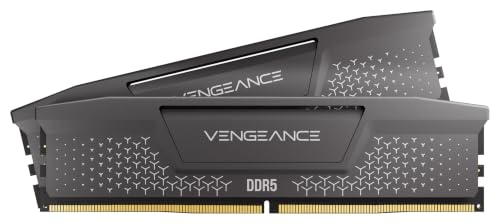
CORSAIR Vengeance RS DDR5
A DDR5 32 GB kit of two 16 GB modules rated up to 6000 MHz with AMD EXPO and Intel XMP 3.0 profiles and onboard voltage regulation.
View on Amazon
Corsair Vengeance RGB RS DDR5
A DDR5 64 GB kit of two 32 GB modules rated up to 6000 MHz with AMD EXPO and Intel XMP 3.0 profiles and dynamic RGB lighting.
View on Amazon
G.SKILL RipjawsV DDR4 RAM (XMP)
A DDR4 32 GB kit of two 16 GB modules rated up to 3200 MT/s with CL16 timings and an Intel XMP overclock profile for desktop PCs.
View on AmazonThese come from our ranked list Best RAM for PC, which compares them spec by spec.
FAQ
Does adding memory give me more room for files?
No. Memory holds only the work your computer is doing right now, and it clears when the power goes off. Files live on storage, so room for files comes from a bigger drive, not from more memory.
Do I lose unsaved work when my computer shuts down?
Yes, if the work was only in memory. Memory clears when the power goes off, so save your work to storage before you shut down or the computer loses power.
Can I mix DDR4 and DDR5 memory in one computer?
No. DDR4 and DDR5 use different slots, so a motherboard takes one type or the other. Check your motherboard manual for the type it takes before you buy a kit.