How to Mix RAM with Different Speeds
 By Theo LangUpdated
Yes, you can install RAM sticks with different frequencies in one desktop, and they work together at the speed of the slowest stick. Shut the PC down, unplug it, fit the sticks, then check the speed in BIOS.
Check what your board accepts
Look in your motherboard manual for the memory generation it takes, DDR4 or DDR5, and the slot layout it uses. DDR4 sticks do not fit DDR5 slots, and DDR5 sticks do not fit DDR4 slots. G.SKILL warns that mixing memory kits can cause stability issues or system failure, and that matched kits are designed to run together as a set.
Shut down and fit the sticks
Shut the PC down, unplug it, and follow the maker's manual for opening the case. Touch a bare metal part of the case to discharge static, then press each stick into its slot until the clips on each end close. Put the sticks in the slots the manual shows for the number of sticks you fit.
Expect the slowest speed
Sticks with different frequencies do not keep their own speeds. The system runs every stick at the speed of the slowest one, so a faster stick gives no extra speed when paired with a slower stick. At default BIOS settings, memory kits boot at the JEDEC default speed, and reaching a rated speed needs BIOS adjustments.
Set the speed in BIOS
Open BIOS setup after fitting the sticks and look for the memory profile setting, listed as XMP on Intel boards or EXPO on AMD boards. Pick the profile that matches the slowest stick, since running the slower stick above its rated speed can make the system unstable. Maximum speed needs overclocking or BIOS adjustments, and it depends on the motherboard and CPU.
Check for stability
Watch for failed boots, crashes, or errors after fitting mixed sticks. If the PC fails to boot or crashes, shut it down, unplug it, and remove the mixed sticks, then refit a matched kit. If trouble continues, contact the maker instead of opening the power supply or battery.
What you need

Patriot Viper Venom DDR5 RAM
Patriot Viper Venom DDR5 16 GB (2x8GB) rated at 6000 MT/s with CL36 timings, XMP 3.0 and EXPO support, and on-die ECC.
View on Amazon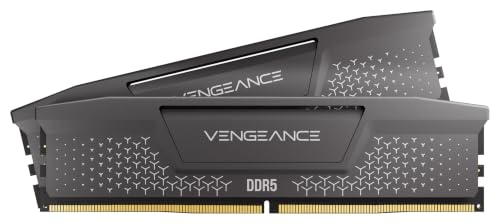
CORSAIR Vengeance RS DDR5
Corsair Vengeance RS DDR5 32 GB (2x16GB) rated up to 6000 MHz with CL38 timings, AMD EXPO and Intel XMP 3.0 support, and onboard voltage regulation.
View on Amazon
Corsair Vengeance RGB RS DDR5
Corsair Vengeance RGB RS DDR5 64 GB (2x32GB) rated up to 6000 MHz with CL40 timings, AMD EXPO and Intel XMP 3.0 support, and addressable RGB lighting.
View on Amazon
G.SKILL RipjawsV DDR4 RAM (XMP)
G.SKILL Ripjaws V DDR4 32 GB (2x16GB) rated up to 3200 MT/s with CL16 timings, an Intel XMP profile and a JEDEC default profile.
View on AmazonThese come from our ranked list Best RAM for PC, which compares them spec by spec.
FAQ
Can I mix DDR4 and DDR5 RAM?
No. DDR4 and DDR5 use different slots, so a DDR4 stick does not fit a DDR5 slot. Check your motherboard manual for the generation your board takes.
Will mixed RAM run at the faster speed?
No. All sticks run at the speed of the slowest stick. The faster stick gives no extra speed in a mixed set, and the rated speed needs BIOS adjustments.
Should I mix RAM kits or buy a matched kit?
Buy a matched kit when you can. G.SKILL warns that mixing memory kits can cause stability issues or system failure, and matched kits are designed to run together as a set.