Best Graphics Card for Marvel Rivals (2026): 4 Picks Compared
 By Theo LangUpdated
The ASUS Prime Radeon RX 9070 EVO 16GB GDDR6 OC Edition suits a buyer who wants 16GB of GDDR6 memory in a 2.5-slot card with a dual BIOS switch. The ASUS TUF Gaming GeForce RTX 5060 8GB GDDR7 OC Edition pairs 8GB of GDDR7 memory with DLSS 4, while the Sapphire Nitro+ RX 7800 XT also carries 16GB of GDDR6. Memory size, memory type and slot width separate the four cards.
Your shortlist at a glance
PCKitHQ scores range from 9.2 to 9.8. See how we pick.
| Product and key specifications | Score and retailer |
|---|---|
01 | 9.8PCKitHQ scoreView on Amazon |
02 | 9.6PCKitHQ scoreView on Amazon |
03 | 9.4PCKitHQ scoreView on Amazon |
04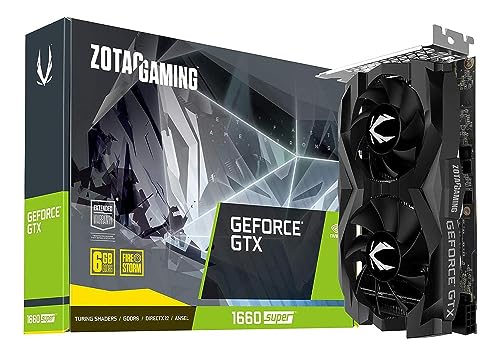 | 9.2PCKitHQ scoreView on Amazon |
A closer look at each configuration
ASUS Radeon RX 9070 EVO
score
The ASUS Prime RX 9070 pairs 16GB of GDDR6 memory with a boost clock up to 2610 MHz and a 2.5-slot design.
- Graphics
- Radeon RX 9070
- Video memory
- 16 GB
- Memory type
- GDDR6
- HDMI
- Yes
- Weight
- 2.4 lb
- Warranty
- 3 Year Warranty
The ASUS Prime RX 9070 carries 16GB of GDDR6 memory. In OC mode the boost clock reaches up to 2610 MHz and the game clock up to 2140 MHz; in default mode those figures are up to 2590 MHz and 2120 MHz. Axial-tech fans use a smaller hub for longer blades and a barrier ring that increases downward air pressure. Dual-ball fan bearings last up to twice as long as sleeve bearing designs, and a phase-change GPU thermal pad helps heat transfer. 0dB technology keeps light gaming quiet, the dual BIOS switch toggles Quiet and Performance profiles, and GPU Guard protects the card. The card uses PCIe 5.0 with HDMI and DP 2.1, weighs 2.4 lb, and carries a 3 year warranty. GPU Tweak III software handles performance tweaking, thermal control and system monitoring.
Choose it if
- You want 16GB of GDDR6 memory in a 2.5-slot card
- You want a dual BIOS switch with Quiet and Performance profiles
Consider another if
- You need the DLSS 4 support of the TUF RTX 5060
- You need the three Axial-tech fans of the TUF RTX 5060
ASUS TUF Gaming
score
The ASUS TUF RTX 5060 pairs 8GB of GDDR7 memory with DLSS 4 and a boost clock up to 2677 MHz.
- Graphics
- GeForce RTX 5060
- Video memory
- 8 GB
- Memory type
- GDDR7
- HDMI
- Yes
- Weight
- 2.5 lb
- Warranty
- 3 Year Warranty
The ASUS TUF RTX 5060 carries 8GB of GDDR7 memory and is powered by the NVIDIA Blackwell architecture with DLSS 4. It states 785 AI TOPS. The boost clock reaches up to 2677 MHz in OC mode and 2640 MHz in default mode. The 3.1-slot design holds a massive fin array cooled by three Axial-tech fans, and ASUS GPU Guard secures the GPU. Military-grade components and a protective PCB coating guard against short circuits from moisture, dust or debris. The card uses PCIe 5.0 with HDMI and DP 2.1, weighs 2.5 lb, and carries a 3 year warranty. GPU Tweak III software handles performance tweaking, thermal control and system monitoring.
Choose it if
- You want 8GB of GDDR7 memory with DLSS 4
- You want military-grade components with a protective PCB coating
Consider another if
- You need the 16GB of GDDR6 memory in the RX 9070
- You need the 2.5-slot design of the RX 9070
Sapphire 11330-01-20G Nitro+
score
The Sapphire Nitro+ RX 7800 XT pairs 16GB of GDDR6 memory with a boost clock up to 2565 MHz.
- Graphics
- AMD Radeon RX 7800 XT
- Video memory
- 16 GB
- Memory type
- GDDR6
- HDMI
- Yes
- DisplayPort
- Yes
- Warranty
- 2 year manufacturer
The Sapphire Nitro+ RX 7800 XT carries 16GB of GDDR6 memory on a 256-bit bus with a 19.5 Gbps effective memory clock. The boost clock reaches up to 2565 MHz and the game clock up to 2254 MHz. Outputs are two HDMI and two DisplayPort. The card uses the AMD RDNA 3 architecture in a 3-slot ATX form factor measuring 320 mm long, 134.85 mm wide and 61.57 mm high. The card carries a 2 year manufacturer warranty.
Choose it if
- You want 16GB of GDDR6 memory on a 256-bit bus
- You want two HDMI and two DisplayPort outputs
Consider another if
- You need the GDDR7 memory of the TUF RTX 5060
- You need the 3-year warranty of the ASUS cards
ZOTAC Gaming
score
The ZOTAC GTX 1660 Super pairs 6GB of GDDR6 memory with a super-compact 6.83-inch dual-slot design.
- Graphics
- GeForce GTX 1660 Super
- Video memory
- 6 GB
- Memory type
- GDDR6
- HDMI
- Yes
- DisplayPort
- Yes
- Warranty
- 2 Year
The ZOTAC GTX 1660 Super uses the Turing architecture with 6GB of 192-bit GDDR6 memory and a boost clock of 1785 MHz. The card measures 6.83 inches long in a dual-slot design. Outputs are three DisplayPort 1.4 and one HDMI 2.0b, and the card covers 4K, HDR and VR use. The card dates from the 2019 release of the GTX 1660 Super. The card carries a 2 year warranty.
Choose it if
- You want a super-compact 6.83-inch card for a small case
- You want three DisplayPort outputs and one HDMI port
Consider another if
- You need the 16GB of memory in the RX 9070 or RX 7800 XT
- You need the PCIe 5.0 connection of the ASUS cards
Make the choice for your setup
Memory size and memory type
Memory size and memory type set the four cards apart. The ASUS Prime RX 9070 and the Sapphire Nitro+ RX 7800 XT each carry 16GB of GDDR6 memory. The ASUS TUF RTX 5060 carries 8GB of GDDR7 memory, and the ZOTAC GTX 1660 Super carries 6GB of GDDR6 memory. The RX 7800 XT pairs its 16GB with a 256-bit bus and a 19.5 Gbps effective memory clock, while the GTX 1660 Super pairs its 6GB with a 192-bit bus. A buyer who wants 16GB of memory finds it in two cards, and the only GDDR7 memory here sits in the 8GB TUF RTX 5060. The two 16GB cards suit a buyer who wants 16GB of memory, while the 8GB GDDR7 card suits a buyer who wants the newer memory type.
Card size and slot width
Card size and slot width decide whether the card fits the case. The ASUS Prime RX 9070 uses a 2.5-slot design. The ASUS TUF RTX 5060 uses a 3.1-slot design with a massive fin array and three Axial-tech fans. The Sapphire Nitro+ RX 7800 XT uses a 3-slot ATX form factor measuring 320 mm long, 134.85 mm wide and 61.57 mm high. The ZOTAC GTX 1660 Super is a super-compact 6.83-inch card in a dual-slot design. Check the 2.5-slot, 3.1-slot and 3-slot widths and the 6.83-inch and 320 mm lengths against the space inside the case. The ZOTAC card measures 6.83 inches long, and the Sapphire card measures 320 mm. If that fits your setup better, see our guide to the Best Sff GPU.
Clock speeds and cooling
Clock speeds and cooling differ across the four cards. The ASUS TUF RTX 5060 states the highest boost clock at up to 2677 MHz in OC mode. The ASUS Prime RX 9070 states a boost clock up to 2610 MHz in OC mode with a game clock up to 2140 MHz. The Sapphire Nitro+ RX 7800 XT states a boost clock up to 2565 MHz with a game clock up to 2254 MHz. The ZOTAC GTX 1660 Super states a 1785 MHz boost clock. Both ASUS cards use Axial-tech fans, the RX 9070 adds dual-ball bearings and a dual BIOS switch, and the TUF RTX 5060 uses three fans.
Before you decide, also read Best Graphics Card for 250.
FAQ: Graphics Card for Marvel Rivals
How much video memory do these cards have?
The ASUS Prime RX 9070 and the Sapphire Nitro+ RX 7800 XT each have 16GB of GDDR6 memory. The ASUS TUF RTX 5060 has 8GB of GDDR7 memory, and the ZOTAC GTX 1660 Super has 6GB of GDDR6 memory. GDDR7 appears only in the 8GB card.
Which cards use GDDR7 memory?
Only the ASUS TUF RTX 5060 uses GDDR7 memory, with 8GB. The other three cards use GDDR6 memory: 16GB in the RX 9070 and the RX 7800 XT, and 6GB in the GTX 1660 Super.
What outputs do these graphics cards have?
The ASUS Prime RX 9070 and the ASUS TUF RTX 5060 have HDMI and DP 2.1. The Sapphire Nitro+ RX 7800 XT has two HDMI and two DisplayPort outputs. The ZOTAC GTX 1660 Super has three DisplayPort 1.4 and one HDMI 2.0b.