Best Graphics Card for 3D Animation (2026): 4 Picks Compared
 By Theo LangUpdated
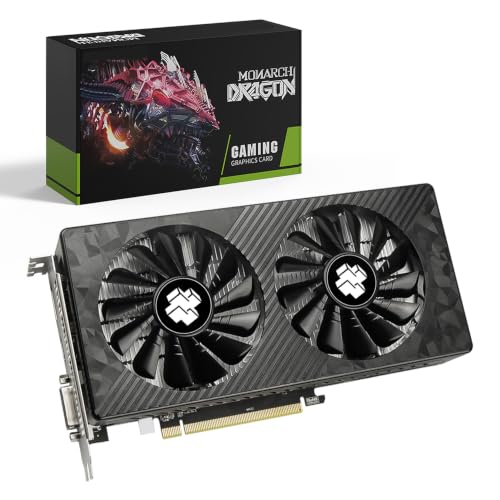
The 16GB GDDR6 memory of the PowerColor Red Dragon AMD Radeon RX 6800 Gaming Graphics Card sits against the 8GB GDDR7 memory of the ASUS Dual GeForce RTX 5060 Ti, so choose the PowerColor card for 3D animation work that needs the larger memory. Its AMD RDNA 2 architecture supports raytracing, and HDMI 2.1 connects high-resolution displays. The card runs at a game clock of 1950MHz in OC mode.
Your shortlist at a glance
PCKitHQ scores range from 9.2 to 9.8. See how we pick.
| Product and key specifications | Score and retailer |
|---|---|
01 | 9.8PCKitHQ scoreView on Amazon |
02 | 9.6PCKitHQ scoreView on Amazon |
03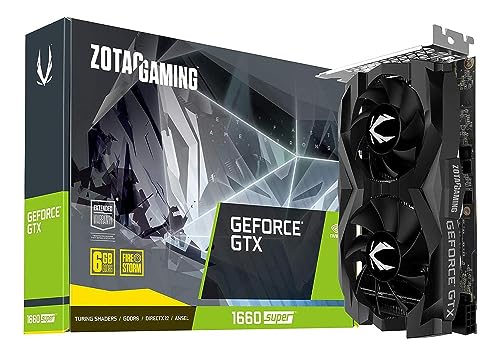 | 9.4PCKitHQ scoreView on Amazon |
04 Also Consider MSI Gaming | 9.2PCKitHQ scoreView on Amazon |
A closer look at each configuration
PowerColor Red Dragon
score
The RX 6800 pairs 16GB GDDR6 memory with raytracing and a 7680x4320 digital resolution.
- Video memory
- 16 GB
- Memory type
- GDDR6
- HDMI
- Yes
- Weight
- 4.4 lb
- Warranty
- 2-year limited
The PowerColor Red Dragon AMD Radeon RX 6800 Gaming Graphics Card carries 16GB GDDR6 memory on AMD RDNA 2 architecture with raytracing and AMD Infinity Cache. Memory speed is 16.0 Gbps, and the digital max resolution is 7680x4320 through HDMI 2.1 over PCI Express 4.0. The card has 3840 stream processors, with a game clock of 1950MHz in OC mode and 1905MHz in Silent mode. The 16GB memory gives more room than the 8GB and 6GB cards in this guide. It weighs 4.4 lb and carries a 2-year limited warranty. The card's part number is AXRX 6800 16GBD6-3DHR/OC.
Choose it if
- You want 16GB GDDR6 memory for 3D animation work
- You want HDMI 2.1 with a 7680x4320 digital resolution
Consider another if
- You need GDDR7 memory like the ASUS RTX 5060 Ti
- You need DisplayPort 2.1b like the ASUS RTX 5060 Ti
ASUS Dual
score
The RTX 5060 Ti pairs 8GB GDDR7 memory with Blackwell architecture and DLSS 4.
- Graphics
- GeForce RTX 5060 Ti
- Video memory
- 8 GB
- Memory type
- GDDR7
- HDMI
- Yes
- DisplayPort
- Yes
- Weight
- 1.45 lb
- Warranty
- 3 year warranty
The ASUS Dual GeForce RTX 5060 Ti 8GB GDDR7 OC Edition Gaming Graphics Card runs on the NVIDIA Blackwell architecture with DLSS 4 and 767 AI TOPS. Its OC mode reaches 2632 MHz and its default mode reaches 2602 MHz. The card uses PCIe 5.0 with HDMI 2.1b and DisplayPort 2.1b, and its 2.5-slot design maximizes compatibility and cooling efficiency for small chassis. Axial-tech fans use a smaller hub for longer blades and a barrier ring, and 0dB technology keeps light gaming quiet. Dual BIOS toggles between Quiet and Performance profiles. Dual ball fan bearings last up to twice as long as sleeve bearing designs. It weighs 1.45 lb and carries a 3 year warranty.
Choose it if
- You want 8GB GDDR7 memory with DLSS 4 support
- You want a 2.5-slot card for a small chassis
Consider another if
- You need 16GB GDDR6 memory like the PowerColor RX 6800
- You need 6.83-inch compact size like the ZOTAC card
ZOTAC Gaming
score
The GTX 1660 Super pairs 6GB GDDR6 memory with a compact 6.83-inch card.
- Graphics
- GeForce GTX 1660 Super
- Video memory
- 6 GB
- Memory type
- GDDR6
- HDMI
- Yes
- DisplayPort
- Yes
- Warranty
- 2 Year
The ZOTAC Gaming GeForce GTX 1660 Super 6GB GDDR6 192-bit Gaming Graphics Card uses the Turing architecture with 6GB of 192-bit GDDR6 memory. New Turing architecture powers the card. Its super compact 6.83-inch card fits 99 percent of systems in a dual-slot design. Three DisplayPort 1.4 outputs and one HDMI 2.0b output connect displays, and the card is 4K, HDR and VR ready. Boost clock reaches 1785 MHz. The model name is Geforce GTX 1660 SUPER TWIN FAN. It carries a 2 Year warranty.
Choose it if
- You want a 6.83-inch card that fits most systems
- You want 3 DisplayPort 1.4 outputs with HDMI 2.0b
Consider another if
- You need 16GB GDDR6 memory like the PowerColor RX 6800
- You need DLSS 4 like the ASUS RTX 5060 Ti
MSI Gaming
score
The GTX 1070 pairs 8GB GDDR5 memory with Pascal architecture and VR readiness.
- Graphics
- GeForce GTX 1070
- Memory type
- GDDR5
- Weight
- 3 lb
The msi Gaming GeForce GTX 1070 8GB GDDR5 SLI DirectX 12 VR Ready Graphics Card uses the NVIDIA Pascal architecture with 8GB GDDR5 memory. The card is VR ready with DirectX 12 support and SLI support. It runs up to 3x faster than previous-generation graphics cards in VR gaming applications. The card weighs 3 lb. The card's part number is GeForce GTX 1070 AERO OC. The card's model is GeForce GTX 1070 AERO 8G OC.
Choose it if
- You want 8GB GDDR5 memory for VR-ready animation work
- You want Pascal architecture with DirectX 12 support
Consider another if
- You need 16GB GDDR6 memory like the PowerColor RX 6800
- You need GDDR7 memory like the ASUS RTX 5060 Ti
Make the choice for your setup
Compare video memory and memory type
Video memory runs from 6GB to 16GB across these cards. The ZOTAC GTX 1660 Super has 6GB GDDR6 memory, the ASUS RTX 5060 Ti has 8GB GDDR7 memory, the msi GTX 1070 has 8GB GDDR5 memory, and the PowerColor RX 6800 has 16GB GDDR6 memory. Memory type matters alongside capacity: GDDR7 is the newest type here, GDDR6 sits in the middle, and GDDR5 is the oldest type in this guide. The RX 6800 states a memory speed of 16.0 Gbps, while the GTX 1660 Super reaches a boost clock of 1785 MHz and the RTX 5060 Ti reaches 2632 MHz in OC mode. The ASUS card also lists 767 AI TOPS for AI performance. The GTX 1660 Super uses a 192-bit memory interface. Match the memory capacity and type to the size of your animation scenes before choosing.
Compare outputs and display support
Display outputs differ across these cards. The PowerColor RX 6800 has HDMI 2.1 with a digital max resolution of 7680x4320. The ASUS RTX 5060 Ti has HDMI 2.1b and DisplayPort 2.1b. The ZOTAC GTX 1660 Super has three DisplayPort 1.4 outputs and one HDMI 2.0b output, and it is 4K, HDR and VR ready. The msi GTX 1070 is VR ready with DirectX 12 support. The ZOTAC card is the only card here with three DisplayPort outputs. The RX 6800 runs on PCI Express 4.0, while the RTX 5060 Ti runs on PCIe 5.0, so check your motherboard slot against each card. Count the outputs your monitors need before choosing, and check the HDMI and DisplayPort versions against your displays. Shoppers with a related need can compare our guide to the Best Graphics Card for the Money.
Check size, weight and warranty
Size and weight differ across these cards. The ZOTAC GTX 1660 Super is a super compact 6.83-inch card in a dual-slot design, and the ASUS RTX 5060 Ti uses a 2.5-slot design for small chassis. The ZOTAC card fits 99 percent of systems, so measure your case against the 6.83-inch length. The PowerColor RX 6800 weighs 4.4 lb, the msi GTX 1070 weighs 3 lb, and the ASUS RTX 5060 Ti weighs 1.45 lb. The msi card weighs 3 lb, between the ASUS card and the PowerColor card. Warranty terms differ too: the PowerColor card carries a 2-year limited warranty, the ASUS card carries a 3 year warranty, and the ZOTAC card carries a 2 Year warranty. The ASUS card also adds dual BIOS profiles and 0dB technology. Match the card size to your case before choosing.
Comparing more options? See Best Graphics Card for 3D Rendering.
FAQ: Graphics Card for 3D Animation
How much video memory does each card have?
The PowerColor RX 6800 has 16GB GDDR6 memory. The ASUS RTX 5060 Ti has 8GB GDDR7 memory, and the msi GTX 1070 has 8GB GDDR5 memory. The ZOTAC GTX 1660 Super has 6GB GDDR6 memory. GDDR7 is the newest memory type in this guide.
Which cards here support raytracing or DLSS 4?
The PowerColor RX 6800 supports raytracing on AMD RDNA 2 architecture. The ASUS RTX 5060 Ti runs on NVIDIA Blackwell architecture with DLSS 4 and 767 AI TOPS. Only these two cards in this guide name raytracing or DLSS 4.
Which cards here are VR ready?
The ZOTAC GTX 1660 Super is 4K, HDR and VR ready. The msi GTX 1070 is VR ready and runs up to 3x faster than previous-generation graphics cards in VR gaming applications. The msi card also supports SLI. The ZOTAC card also lists a boost clock of 1785 MHz.